GG-LLM: Geometrically Grounding Large Language Models for Zero-shot Human Activity Forecasting in Human-Aware Task Planning
作者: Moritz A. Graule, Volkan Isler
分类: cs.RO
发布日期: 2023-10-30
💡 一句话要点
提出GG-LLM以解决人类活动预测中的数据依赖问题
🎯 匹配领域: 支柱一:机器人控制 (Robot Control) 支柱三:空间感知与语义 (Perception & Semantics) 支柱七:动作重定向 (Motion Retargeting) 支柱八:物理动画 (Physics-based Animation) 支柱九:具身大模型 (Embodied Foundation Models)
关键词: 人类活动预测 大型语言模型 人机交互 任务规划 多模态学习
📋 核心要点
- 现有方法依赖大量数据进行人类运动预测,导致长时间预测的准确性不足,且模型受限于特定格式。
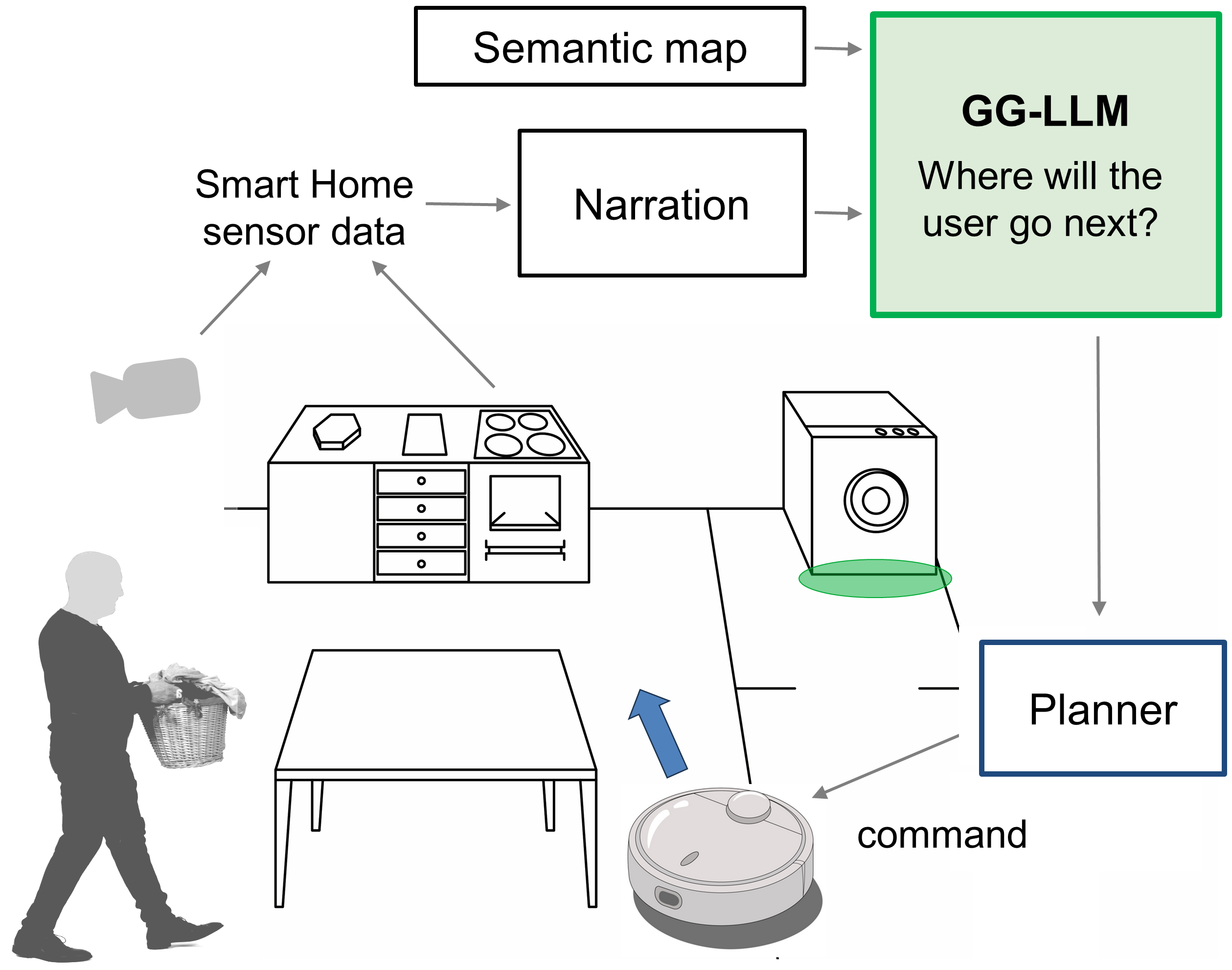
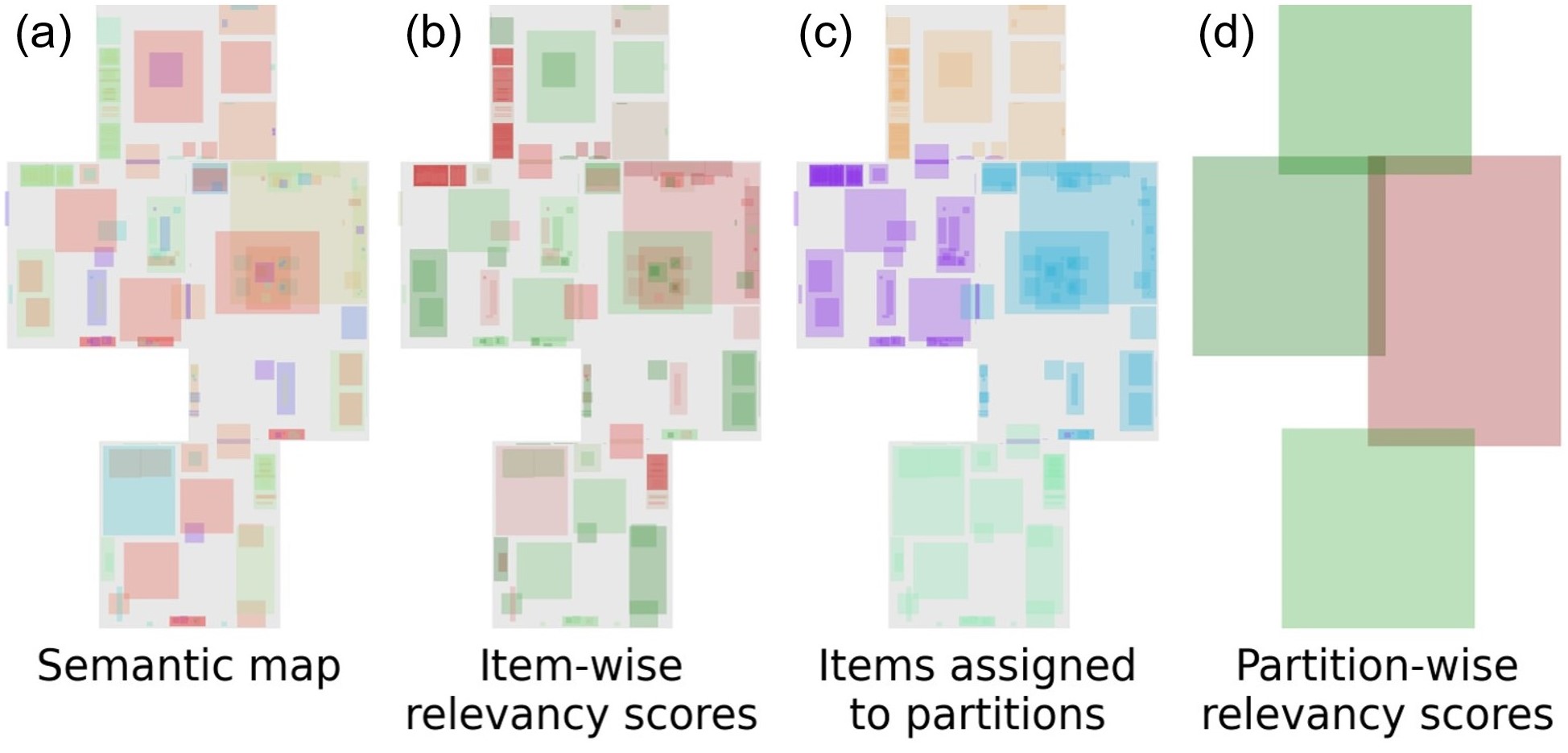
- 本文提出的系统利用大型语言模型推断人类动作,并将其与环境语义地图中的位置关联,提升了预测的适用性。
- 实验结果表明,该方法在辅助机器人任务规划中有效减少了29.2%的不良人机交互事件,具有显著的应用价值。
📝 摘要(中文)
在以人为中心的环境中,机器人需要考虑人类的意图和未来运动,以确保安全有效的任务和运动规划。现有的行为模型需要大量数据来进行长时间预测,并且这些模型通常受限于特定的数据格式和模态。本文提出了一种利用大型语言模型(LLM)推断人类下一步动作的系统,无需微调,并将预测的动作与环境的语义地图中的特定位置关联。通过这种方法,辅助机器人在任务规划中能够减少29.2%的不良人机交互事件。
🔬 方法详解
问题定义:本文旨在解决机器人在以人为中心的环境中进行人类活动预测时,现有方法对大量数据的依赖和预测与环境关联性不足的问题。
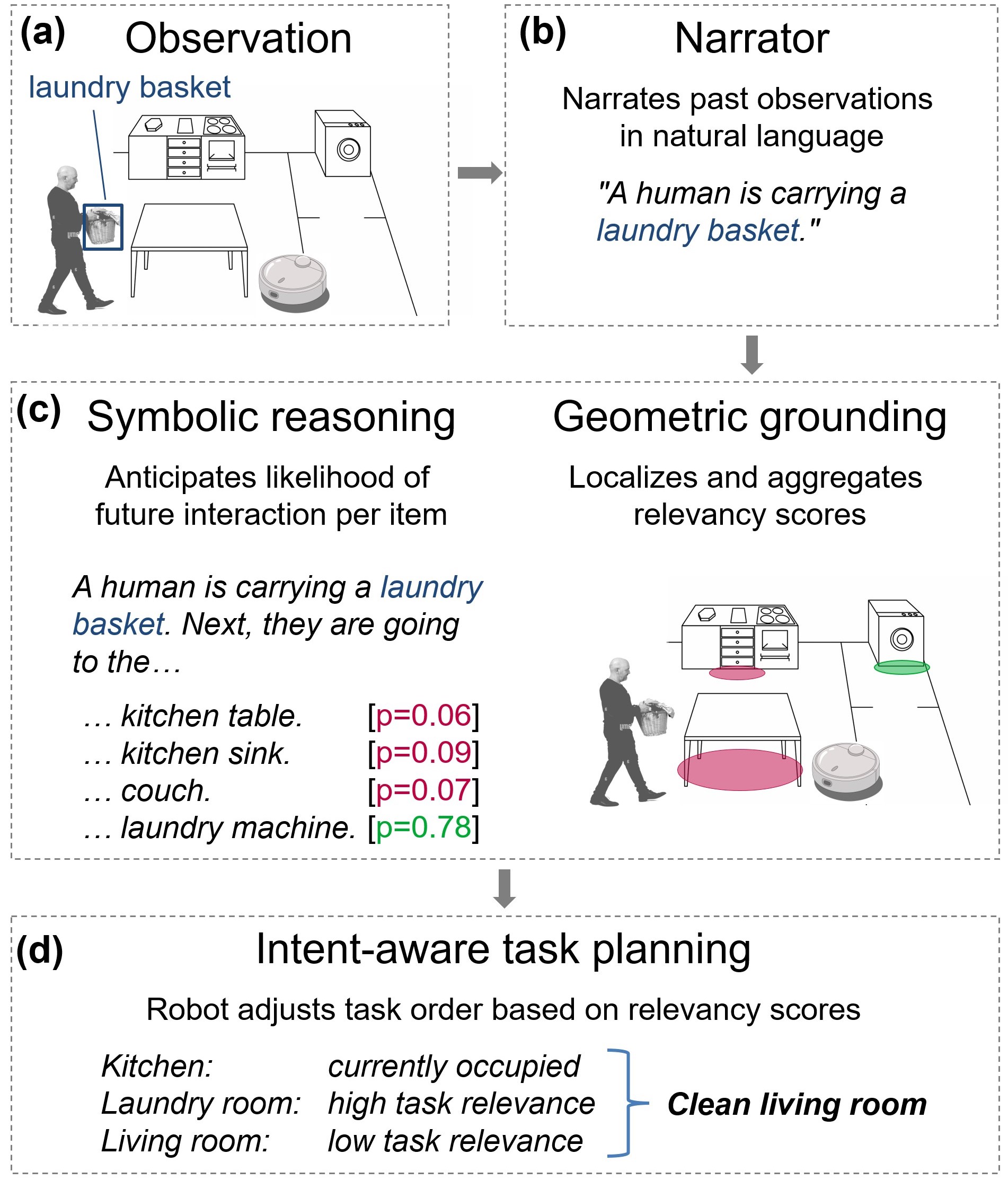
核心思路:通过利用大型语言模型(LLM)推断人类的下一步动作,避免了对特定数据格式的依赖,并将预测结果与环境中的具体位置关联,从而增强了预测的实用性。
技术框架:系统主要包括数据输入模块、LLM推断模块和任务规划模块。数据输入模块接收多模态信息,LLM推断模块基于这些信息生成动作预测,最后任务规划模块将预测结果整合到机器人任务中。
关键创新:最重要的创新在于将LLM的推断能力与环境的语义地图结合,形成了一种新的预测机制,使得机器人能够在复杂环境中更好地理解和预测人类行为。
关键设计:在设计中,LLM的输入包括多种模态的信息,损失函数则侧重于预测的准确性与环境位置的关联性,网络结构采用了预训练的LLM,以充分利用其在自然语言处理中的优势。
🖼️ 关键图片
📊 实验亮点
实验结果显示,采用GG-LLM的辅助机器人在任务规划中,能够有效减少29.2%的不良人机交互事件,相较于传统方法具有显著提升,验证了该系统的有效性和实用性。
🎯 应用场景
该研究的潜在应用领域包括智能家居、服务机器人和人机协作系统等。通过提高机器人对人类行为的预测能力,可以有效减少不良人机交互,提高人机协作的安全性和效率,具有重要的实际价值和未来影响。
📄 摘要(原文)
A robot in a human-centric environment needs to account for the human's intent and future motion in its task and motion planning to ensure safe and effective operation. This requires symbolic reasoning about probable future actions and the ability to tie these actions to specific locations in the physical environment. While one can train behavioral models capable of predicting human motion from past activities, this approach requires large amounts of data to achieve acceptable long-horizon predictions. More importantly, the resulting models are constrained to specific data formats and modalities. Moreover, connecting predictions from such models to the environment at hand to ensure the applicability of these predictions is an unsolved problem. We present a system that utilizes a Large Language Model (LLM) to infer a human's next actions from a range of modalities without fine-tuning. A novel aspect of our system that is critical to robotics applications is that it links the predicted actions to specific locations in a semantic map of the environment. Our method leverages the fact that LLMs, trained on a vast corpus of text describing typical human behaviors, encode substantial world knowledge, including probable sequences of human actions and activities. We demonstrate how these localized activity predictions can be incorporated in a human-aware task planner for an assistive robot to reduce the occurrences of undesirable human-robot interactions by 29.2% on average.