Martian Lava Tube Exploration Using Jumping Legged Robots: A Concept Study
作者: Jørgen Anker Olsen, Kostas Alexis
分类: cs.RO
发布日期: 2023-10-23
备注: 74rd International Astronautical Congress (IAC)
💡 一句话要点
提出跳跃式腿部机器人以解决火星熔岩管探索挑战
🎯 匹配领域: 支柱一:机器人控制 (Robot Control)
关键词: 火星探测 机器人技术 腿部机器人 跳跃系统 熔岩管探索 复杂地形 自主导航
📋 核心要点
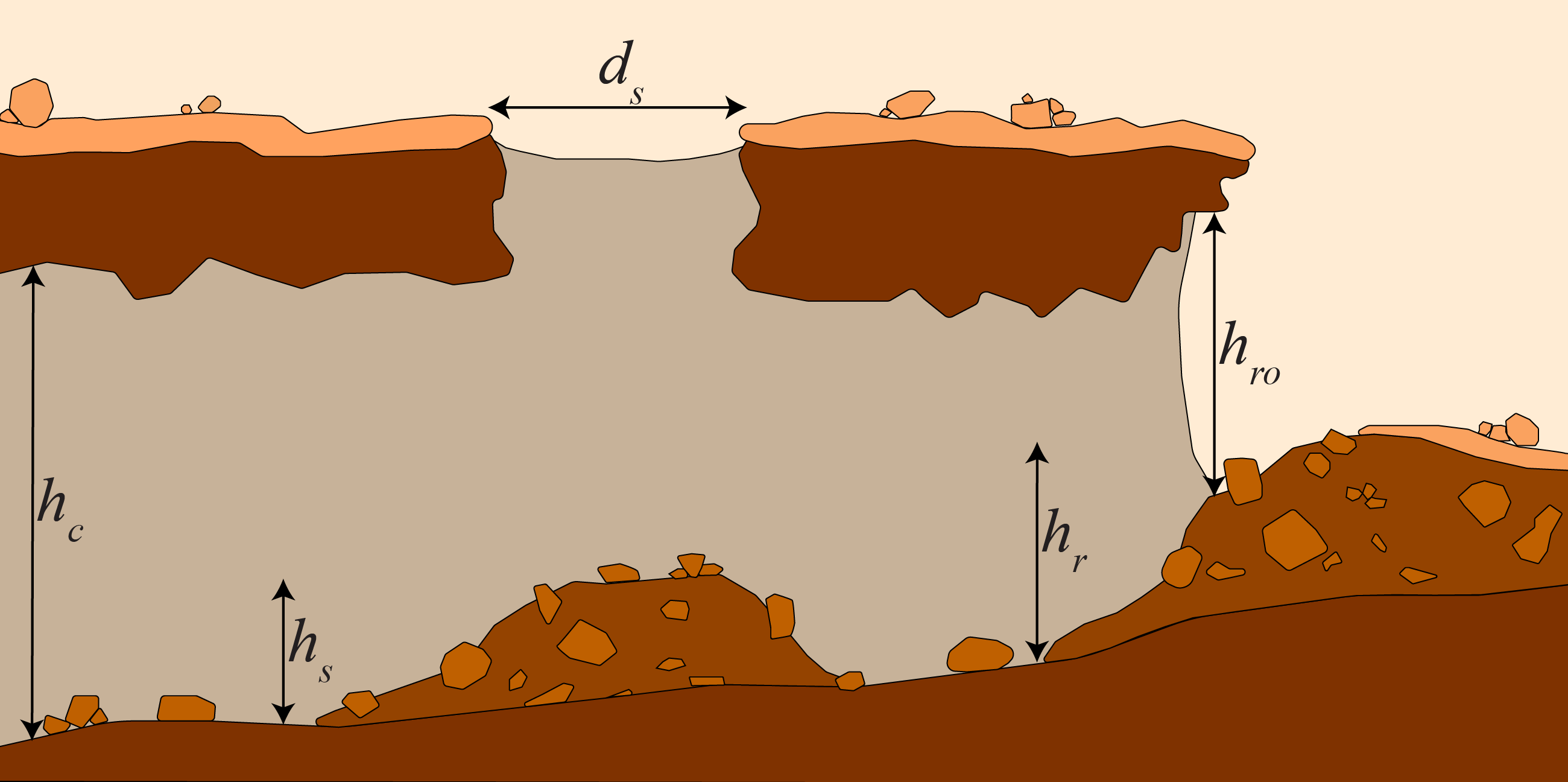
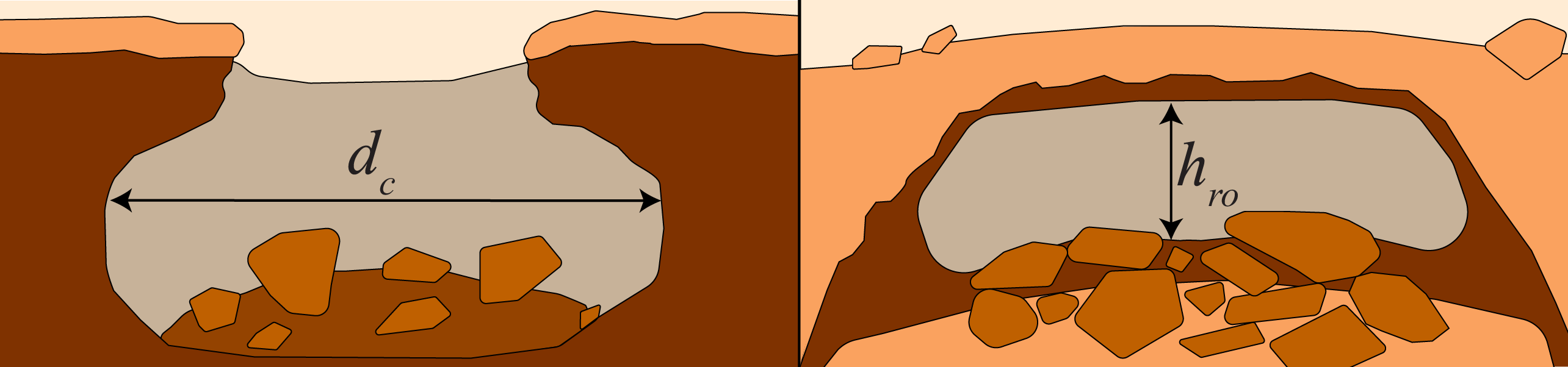
- 火星熔岩管的探索面临巨大挑战,包括复杂的地形、陡坡和不稳定的表面,传统轮式探测器难以适应。
- 论文提出跳跃式腿部机器人,利用腿部行走和跳跃的能力,能够轻松越过障碍物和陡坡,适合火星熔岩管的探索。
- 新型跳跃式腿部机器人在设计上考虑了火星环境的特殊性,能够有效进行熔岩管的探测和样本采集。
📝 摘要(中文)
近年来,机器人探索在行星探测中变得愈发重要,火星熔岩管因其独特特征而备受关注。这些熔岩管可能蕴藏可利用的水冰,并为未来人类任务提供辐射和冲击保护。然而,由于熔岩管的巨大规模和复杂地形,传统轮式探测器面临诸多挑战。为此,论文提出了一种跳跃式腿部机器人,能够有效应对不平坦地形和陡坡,探索和绘制熔岩管内部,并可能收集样本。本文还介绍了为火星熔岩管探索设计的最新跳跃式腿部机器人及其任务配置。
🔬 方法详解
问题定义:论文要解决火星熔岩管探索中传统轮式探测器无法应对的地形复杂性和障碍物问题。现有方法在面对陡坡和不平坦表面时表现不佳,限制了探索的深度和广度。
核心思路:论文的核心解决思路是设计一种跳跃式腿部机器人,利用其跳跃和行走的能力,能够在复杂地形中灵活移动,克服传统探测器的局限性。这样的设计使机器人能够越过大石块和陡坡,适应火星熔岩管的环境。
技术框架:整体架构包括机器人设计、运动控制、环境感知和任务规划四个主要模块。机器人通过传感器获取环境信息,结合运动控制算法实现自主导航和障碍物规避。
关键创新:最重要的技术创新点在于跳跃式腿部的设计,使机器人能够在复杂地形中实现高效移动。这一设计与现有的轮式或履带式探测器有本质区别,提供了更高的灵活性和适应性。
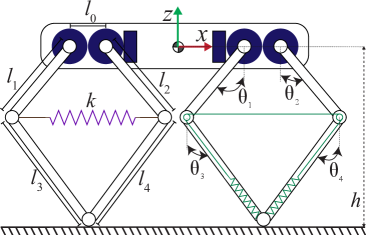
关键设计:关键设计包括腿部的动力学模型、跳跃高度和距离的优化参数设置,以及运动控制算法的实现细节,确保机器人在火星环境中能够稳定运行。具体的损失函数和控制策略也经过精心设计,以提高机器人的运动效率和稳定性。
🖼️ 关键图片
📊 实验亮点
实验结果表明,跳跃式腿部机器人在复杂地形中的移动能力显著优于传统轮式探测器,能够成功越过直径超过1米的障碍物,并在陡坡上实现稳定的上下移动。这一性能提升使得机器人在火星熔岩管探索中的应用前景更加广阔。
🎯 应用场景
该研究的潜在应用领域包括火星探测、资源勘探和未来人类任务的支持。跳跃式腿部机器人能够在复杂的火星环境中进行有效探索,为科学研究提供重要数据,并为人类在火星的长期生存奠定基础。未来,这种技术也可能扩展到其他行星或极端环境的探索任务中。
📄 摘要(原文)
In recent years, robotic exploration has become increasingly important in planetary exploration. One area of particular interest for exploration is Martian lava tubes, which have several distinct features of interest. First, it is theorized that they contain more easily accessible resources such as water ice, needed for in-situ utilization on Mars. Second, lava tubes of significant size can provide radiation and impact shelter for possible future human missions to Mars. Third, lava tubes may offer a protected and preserved view into Mars' geological and possible biological past. However, exploration of these lava tubes poses significant challenges due to their sheer size, geometric complexity, uneven terrain, steep slopes, collapsed sections, significant obstacles, and unstable surfaces. Such challenges may hinder traditional wheeled rover exploration. To overcome these challenges, legged robots and particularly jumping systems have been proposed as potential solutions. Jumping legged robots utilize legs to both walk and jump. This allows them to traverse uneven terrain and steep slopes more easily compared to wheeled or tracked systems. In the context of Martian lava tube exploration, jumping legged robots would be particularly useful due to their ability to jump over big boulders, gaps, and obstacles, as well as to descend and climb steep slopes. This would allow them to explore and map such caves, and possibly collect samples from areas that may otherwise be inaccessible. This paper presents the specifications, design, capabilities, and possible mission profiles for state-of-the-art legged robots tailored to space exploration. Additionally, it presents the design, capabilities, and possible mission profiles of a new jumping legged robot for Martian lava tube exploration that is being developed at the Norwegian University of Science and Technology.