Concept-based Anomaly Detection in Retail Stores for Automatic Correction using Mobile Robots
作者: Aditya Kapoor, Vartika Sengar, Nijil George, Vighnesh Vatsal, Jayavardhana Gubbi, Balamuralidhar P, Arpan Pal
分类: cs.RO, cs.CV
发布日期: 2023-10-21
备注: 8 pages, 9 figures, 2 tables, IEEE Transactions on Systems, Man and Cybernetics
💡 一句话要点
提出基于概念的异常检测方法以解决零售店自动纠错问题
🎯 匹配领域: 支柱一:机器人控制 (Robot Control)
关键词: 异常检测 视觉变换器 自编码器 零售管理 移动机器人 自动化 深度学习
📋 核心要点
- 现有的视觉检测方法主要依赖计划图进行异常检测,缺乏鲁棒性和可扩展性,且需要人工干预进行纠正。
- 本文提出的Co-AD方法利用视觉变换器(ViT)和自编码器架构,能够在没有先验知识的情况下检测错位物品。
- Co-AD在RP2K数据集上实现了89.90%的异常检测成功率,显著高于现有最佳基线,展示了其有效性和实用性。
📝 摘要(中文)
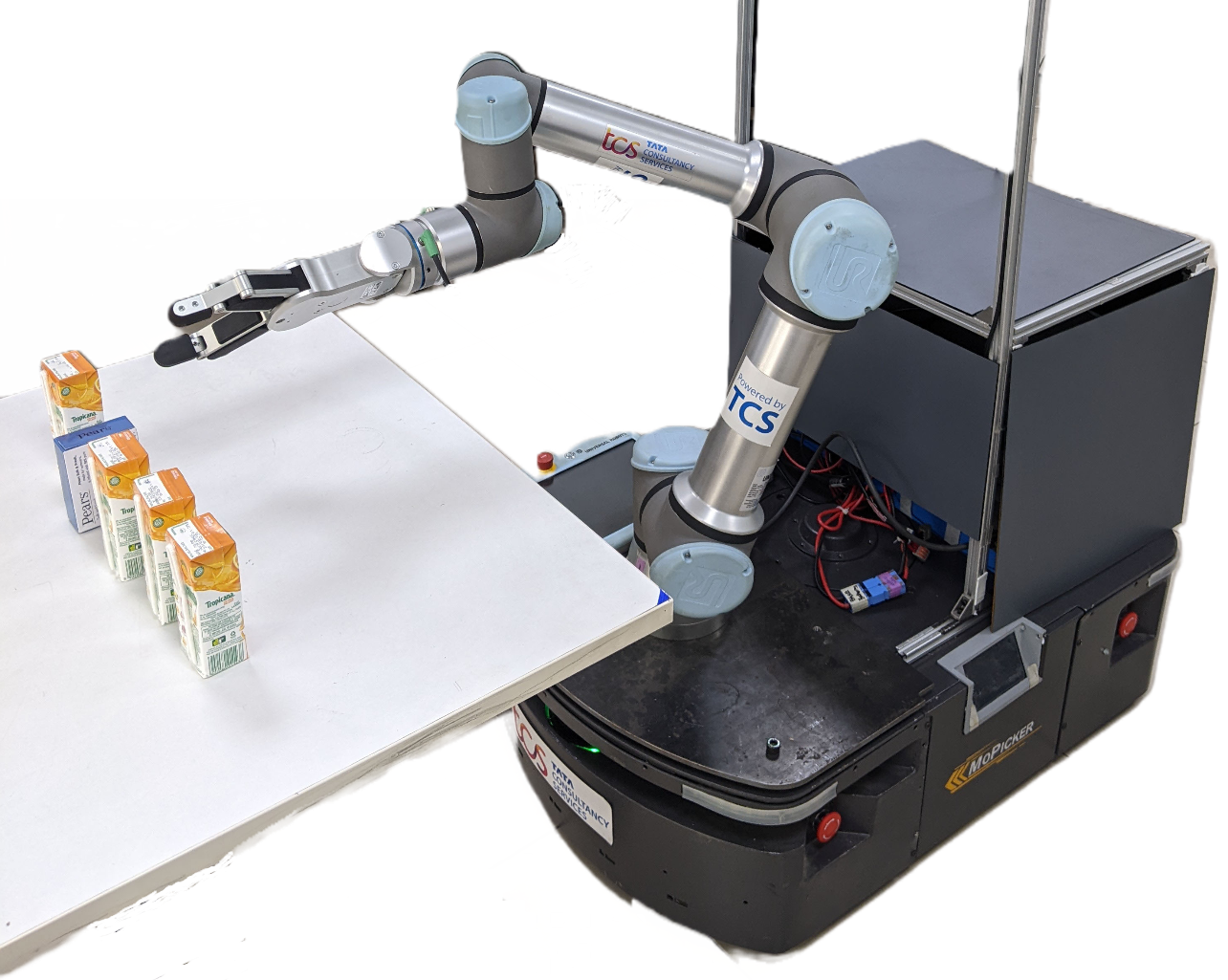
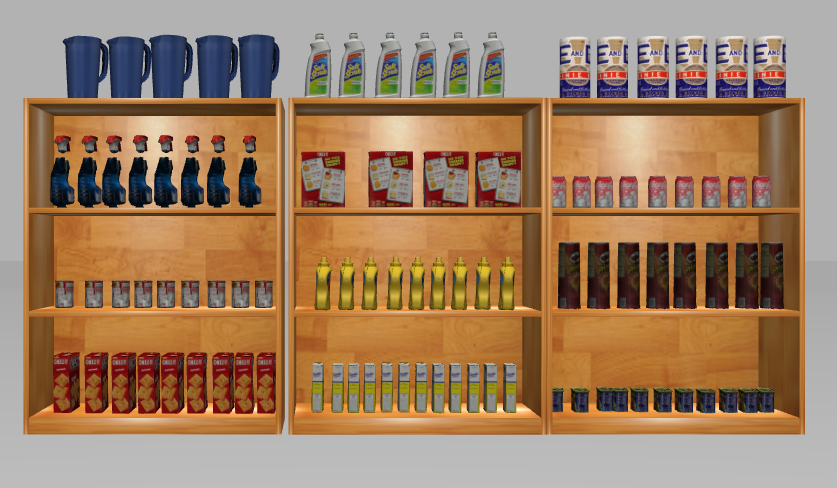
在零售环境中,库存跟踪和物品重新摆放是最耗费人力的任务之一。尽管已有基于视觉的技术尝试解决这些问题,但大多数依赖于计划图合规性进行异常检测,这种方法在鲁棒性和可扩展性上存在不足。此外,现有系统在检测后仍需人工干预进行纠正。本文提出了一种基于概念的异常检测方法Co-AD,利用视觉变换器(ViT)能够在没有计划图等先验知识的情况下标记错位物品。该方法采用自编码器架构,并在潜在空间中进行异常值检测。Co-AD在RP2K数据集的零售物品异常检测图像集上取得了89.90%的峰值成功率,相较于标准ViT自编码器的最佳基线80.81%有显著提升。为展示其实用性,本文描述了一种机器人移动操作管道,能够自主纠正Co-AD标记的异常。
🔬 方法详解
问题定义:本文旨在解决零售环境中库存跟踪和物品重新摆放的异常检测问题。现有方法主要依赖计划图进行检测,存在鲁棒性不足和可扩展性差的问题,同时在检测后需要人工干预进行纠正。
核心思路:论文提出的Co-AD方法通过视觉变换器(ViT)和自编码器架构,能够在没有计划图等先验知识的情况下,自动标记错位物品,从而减少人工干预的需求。
技术框架:Co-AD的整体架构包括自编码器用于特征提取,随后在潜在空间中进行异常值检测。该方法通过训练自编码器来学习正常物品的特征,并利用这些特征来识别异常物品。
关键创新:Co-AD的主要创新在于其不依赖于计划图等先验知识,利用视觉变换器的强大特征提取能力和自编码器的潜在空间分析,实现了更高的异常检测准确率。
关键设计:在技术细节上,Co-AD采用了特定的损失函数来优化自编码器的重构能力,并在潜在空间中设计了有效的异常值检测算法,以提高检测的准确性和鲁棒性。
🖼️ 关键图片

📊 实验亮点
在实验中,Co-AD在RP2K数据集的异常检测图像集上达到了89.90%的峰值成功率,显著高于标准ViT自编码器的80.81%。这一结果表明,Co-AD在异常检测任务中具有更强的性能和实用性。
🎯 应用场景
该研究的潜在应用领域包括零售店的自动化管理和库存监控。通过减少人工干预,Co-AD能够提高零售环境的运营效率,降低人力成本,并为未来的自主移动机器人解决方案奠定基础,推动零售行业的智能化发展。
📄 摘要(原文)
Tracking of inventory and rearrangement of misplaced items are some of the most labor-intensive tasks in a retail environment. While there have been attempts at using vision-based techniques for these tasks, they mostly use planogram compliance for detection of any anomalies, a technique that has been found lacking in robustness and scalability. Moreover, existing systems rely on human intervention to perform corrective actions after detection. In this paper, we present Co-AD, a Concept-based Anomaly Detection approach using a Vision Transformer (ViT) that is able to flag misplaced objects without using a prior knowledge base such as a planogram. It uses an auto-encoder architecture followed by outlier detection in the latent space. Co-AD has a peak success rate of 89.90% on anomaly detection image sets of retail objects drawn from the RP2K dataset, compared to 80.81% on the best-performing baseline of a standard ViT auto-encoder. To demonstrate its utility, we describe a robotic mobile manipulation pipeline to autonomously correct the anomalies flagged by Co-AD. This work is ultimately aimed towards developing autonomous mobile robot solutions that reduce the need for human intervention in retail store management.