Risk-Aware Wasserstein Distributionally Robust Control of Vessels in Natural Waterways
作者: Juan Moreno Nadales, Astghik Hakobyan, David Muñoz de la Peña, Daniel Limon, Insoon Yang
分类: cs.RO, eess.SY
发布日期: 2023-10-21
💡 一句话要点
提出风险感知的Wasserstein分布鲁棒控制以解决航运安全问题
🎯 匹配领域: 支柱一:机器人控制 (Robot Control)
关键词: 自动化航运 风险感知控制 模型预测控制 鲁棒性 潮汐岛建模 Wasserstein模糊集 内陆水道
📋 核心要点
- 现有调度算法无法有效应对自然水道中的不确定性,影响船舶的安全与效率。
- 本研究提出了一种风险感知的运动控制方法,采用模型预测控制并引入风险约束,处理潮汐岛的不确定性。
- 通过对Guadalquivir河的模拟实验,验证了该方法在避免搁浅事故方面的有效性,显示出优于现有非鲁棒控制器的性能。
📝 摘要(中文)
在海事运输领域,自动化船舶在自然内陆水道中的导航面临着不可预测的自然因素带来的挑战。现有的调度算法无法有效处理这些不确定性,影响了安全性和效率。此外,这些算法主要针对非自主船舶设计,导致劳动密集型操作易受人为错误影响。为了解决这些问题,本研究提出了一种风险感知的船舶运动控制方法,动态考虑潮汐岛的不确定性,采用模型预测控制方法跟踪时间-空间图中的参考轨迹,并引入风险约束以防止搁浅事故。通过对Guadalquivir河的传感器数据进行实证研究,模拟结果表明,该方法能够成功导航水道,避免搁浅事故,显示出其鲁棒性和实际应用价值。
🔬 方法详解
问题定义:本论文旨在解决自动化船舶在自然水道中导航时面临的安全性和效率问题,现有方法在处理自然因素的不确定性方面存在不足,容易导致搁浅等事故。
核心思路:提出了一种风险感知的运动控制方法,结合模型预测控制和风险约束,动态应对潮汐岛的不确定性,以提高船舶导航的安全性和鲁棒性。
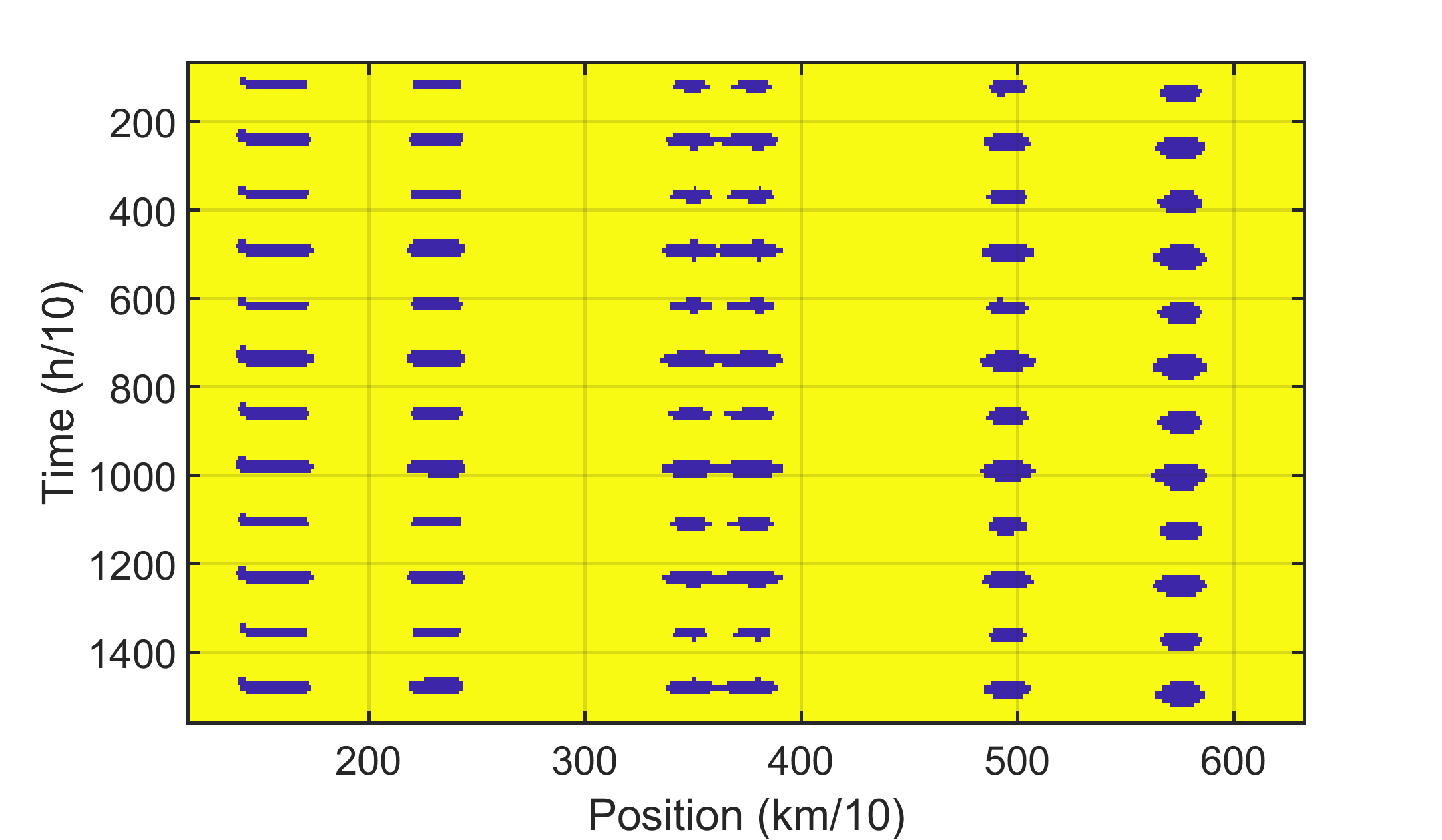
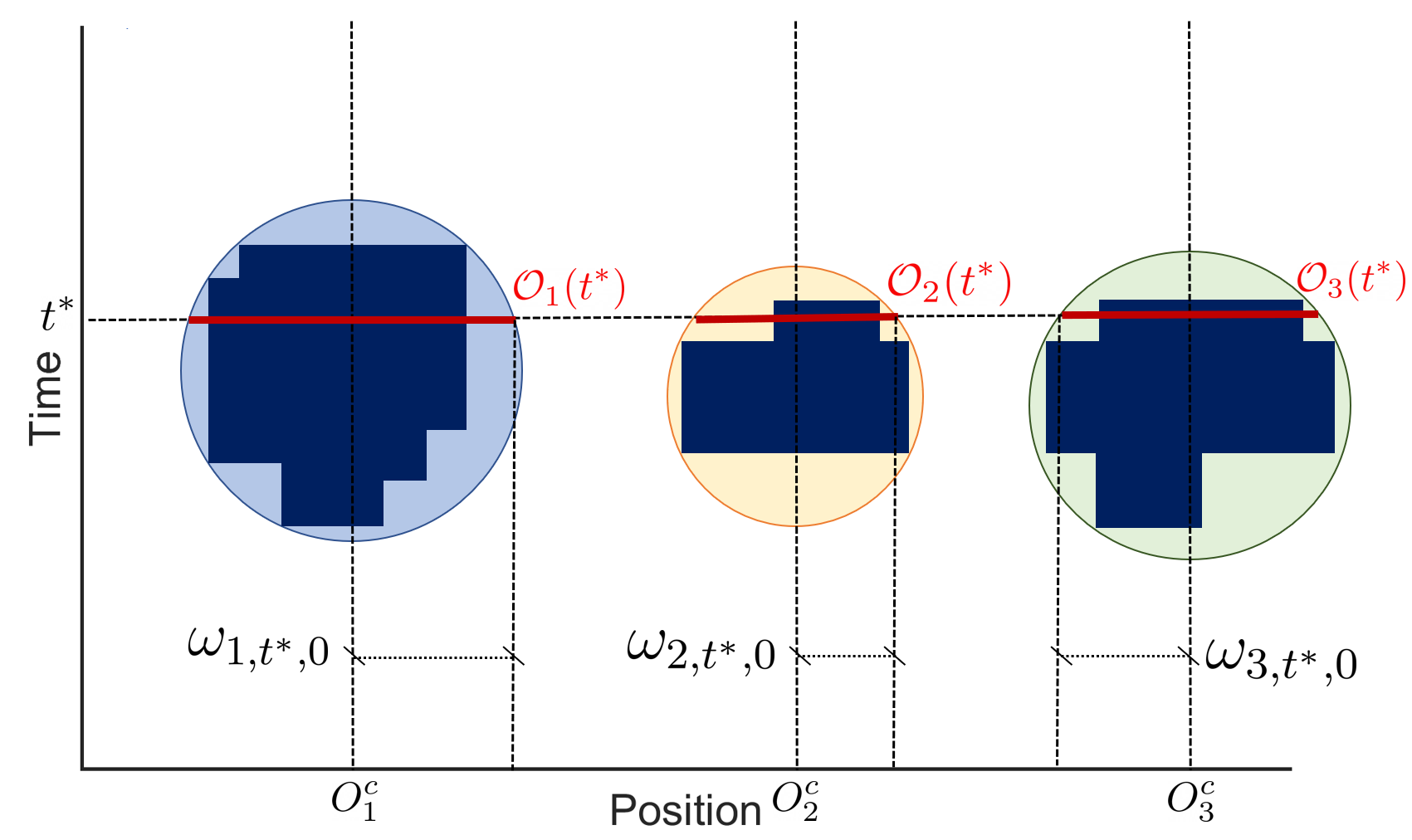
技术框架:整体架构包括数据采集、模型构建、控制策略设计和仿真验证四个主要模块。首先,通过传感器收集水道数据,然后构建潮汐岛的随机多面体模型,接着设计基于模型预测控制的导航策略,最后通过仿真验证控制效果。
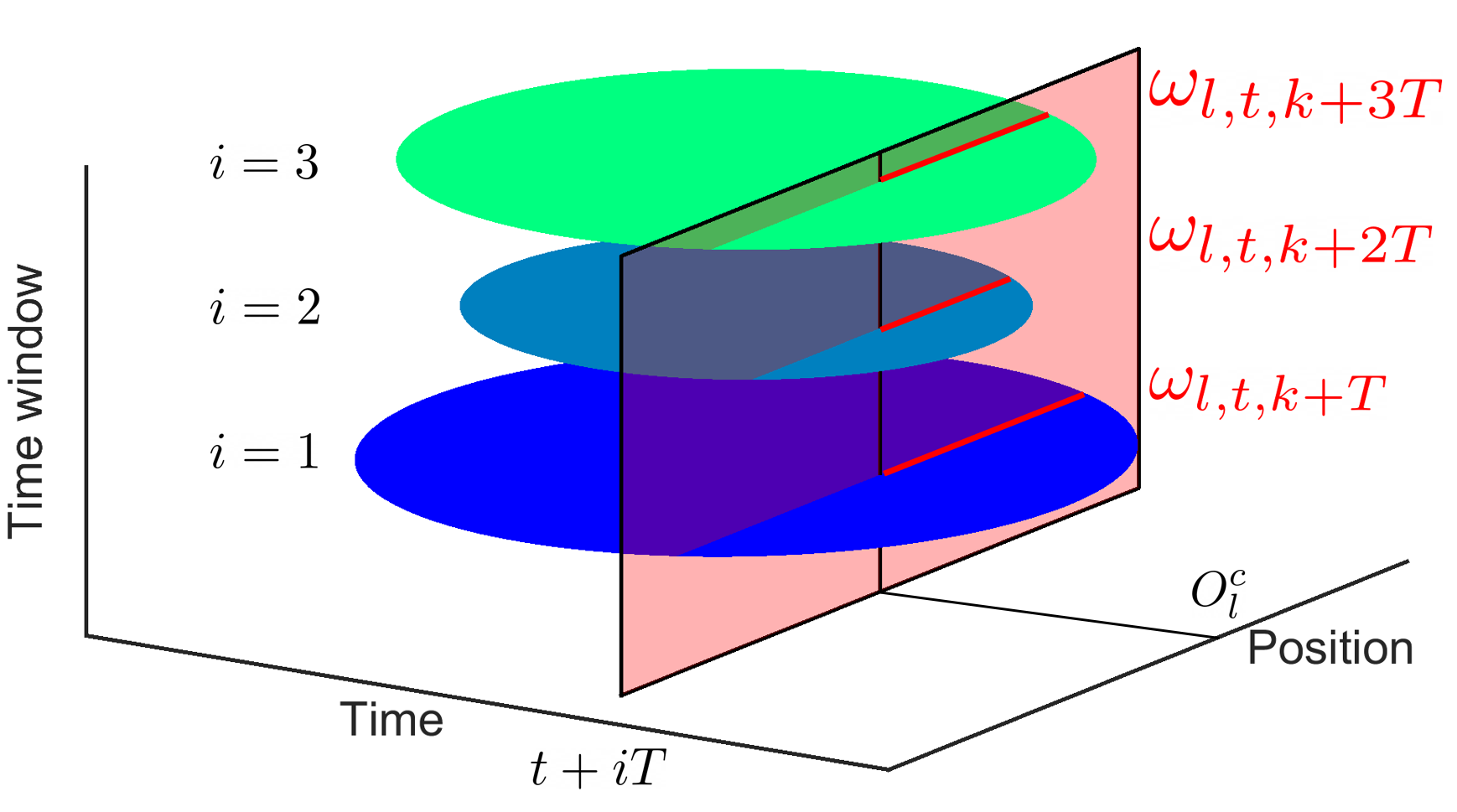
关键创新:本研究的主要创新在于将潮汐岛建模为随机多面体,并在Wasserstein模糊集内考虑最坏情况的不确定性分布,从而增强了控制策略的鲁棒性。与现有方法相比,能够更有效地应对动态环境中的不确定性。
关键设计:在控制策略中,引入了风险约束以防止搁浅事故,具体参数设置和损失函数设计基于对水道深度的不确定性分析,确保在最坏情况下仍能保持安全导航。控制算法的实现细节包括对模型预测控制的优化和对风险约束的动态调整。
🖼️ 关键图片
📊 实验亮点
实验结果表明,所提出的方法在模拟中成功避免了搁浅事故,尽管仅使用了有限的数据集。与现有的非鲁棒控制器相比,该方法在处理不确定性方面表现出显著的鲁棒性,提升了航行安全性和效率,展示了其实际应用的潜力。
🎯 应用场景
该研究的潜在应用领域包括自动化航运、内陆水道运输及相关的智能交通系统。通过提高船舶在复杂水域中的导航安全性,能够有效降低事故风险,提升运输效率,具有重要的实际价值和社会影响。未来,该方法可扩展至其他类型的自动化交通工具,推动智能交通的发展。
📄 摘要(原文)
In the realm of maritime transportation, autonomous vessel navigation in natural inland waterways faces persistent challenges due to unpredictable natural factors. Existing scheduling algorithms fall short in handling these uncertainties, compromising both safety and efficiency. Moreover, these algorithms are primarily designed for non-autonomous vessels, leading to labor-intensive operations vulnerable to human error. To address these issues, this study proposes a risk-aware motion control approach for vessels that accounts for the dynamic and uncertain nature of tide islands in a distributionally robust manner. Specifically, a model predictive control method is employed to follow the reference trajectory in the time-space map while incorporating a risk constraint to prevent grounding accidents. To address uncertainties in tide islands, a novel modeling technique represents them as stochastic polytopes. Additionally, potential inaccuracies in waterway depth are addressed through a risk constraint that considers the worst-case uncertainty distribution within a Wasserstein ambiguity set around the empirical distribution. Using sensor data collected in the Guadalquivir River, we empirically demonstrate the performance of the proposed method through simulations on a vessel. As a result, the vessel successfully navigates the waterway while avoiding grounding accidents, even with a limited dataset of observations. This stands in contrast to existing non-robust controllers, highlighting the robustness and practical applicability of the proposed approach.