FingerTac -- An Interchangeable and Wearable Tactile Sensor for the Fingertips of Human and Robot Hands
作者: Prathamesh Sathe, Alexander Schmitz, Satoshi Funabashi, Tito Pradhono Tomo, Sophon Somlor, Sugano Shigeki
分类: cs.RO
发布日期: 2023-10-13
💡 一句话要点
提出可互换的可穿戴触觉传感器以解决机器人技能转移问题
🎯 匹配领域: 支柱一:机器人控制 (Robot Control)
关键词: 触觉传感器 技能转移 人机协作 机器人技术 精细操作
📋 核心要点
- 现有方法主要关注位置或关节角度数据,难以实现人类与机器人之间的运动重建,尤其是在精细操作方面。
- 本文提出了一种可穿戴的指尖触觉传感器,能够捕捉指尖的三轴力向量,并可在机器人手与人类手之间互换使用。
- 传感器在X、Y、Z方向的平均绝对误差分别为0.21、0.16和0.44牛顿,显示出良好的测量精度。
📝 摘要(中文)
技能转移从人类到机器人是一个具有挑战性的任务。目前,许多研究者仅关注捕捉人类的位置信息或关节角度数据来教导机器人。尽管这种方法在抓取应用中取得了显著成果,但从人类手部到机器人手部的运动重建,尤其是在物体处理或精细操作方面,仍然鲜有探索。人类利用触觉反馈来调整其运动以适应不同物体,但如何捕捉和再现施加的力量仍是一个开放的研究问题。本文介绍了一种可穿戴的指尖触觉传感器,能够捕捉指尖上的分布式三轴力向量,该传感器可在人体手和机器人手之间互换使用,能够精确测量力,X、Y、Z方向的平均绝对误差分别为0.21、0.16和0.44牛顿。
🔬 方法详解
问题定义:本文旨在解决人类与机器人之间技能转移的难题,现有方法在运动重建和触觉反馈捕捉方面存在不足,导致机器人在物体处理和精细操作中表现不佳。
核心思路:提出一种可穿戴的指尖触觉传感器,能够捕捉指尖施加的三轴力向量,利用该传感器在机器人手与人类手之间的互换性,增强机器人对物体的操作能力。
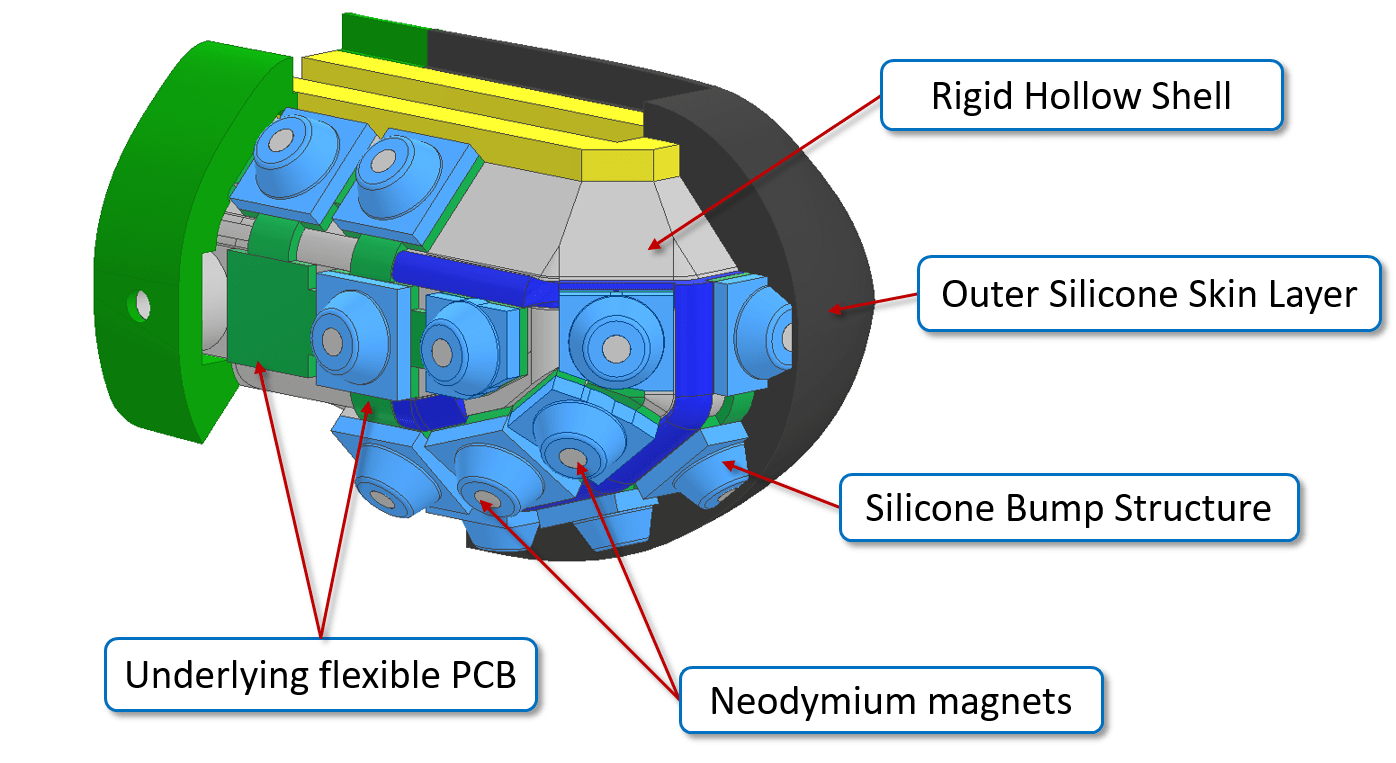
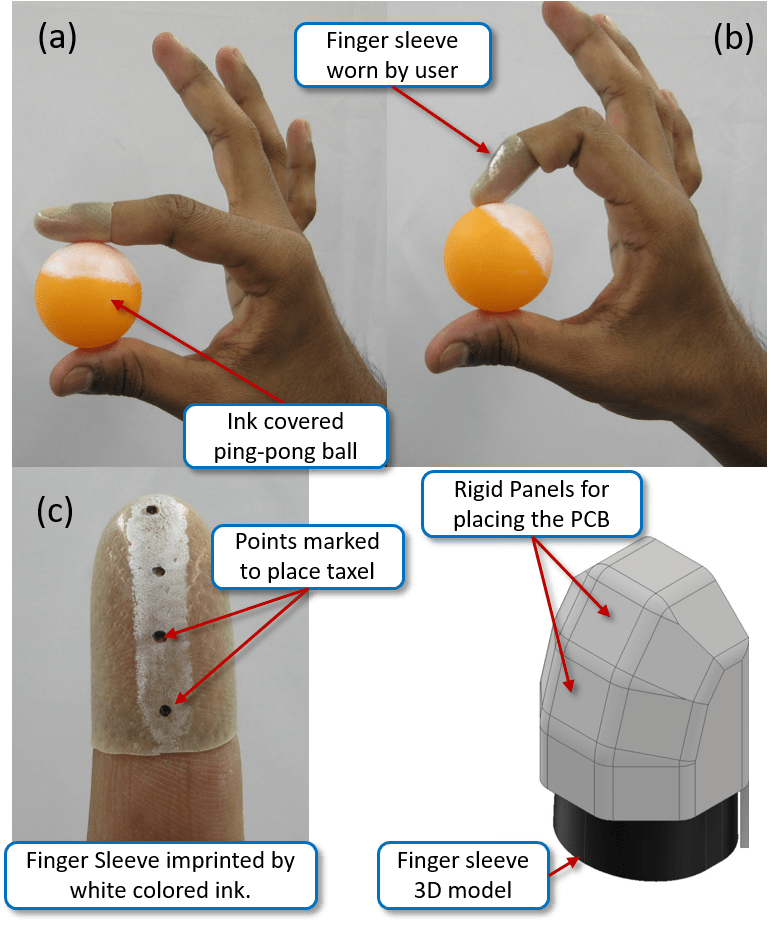
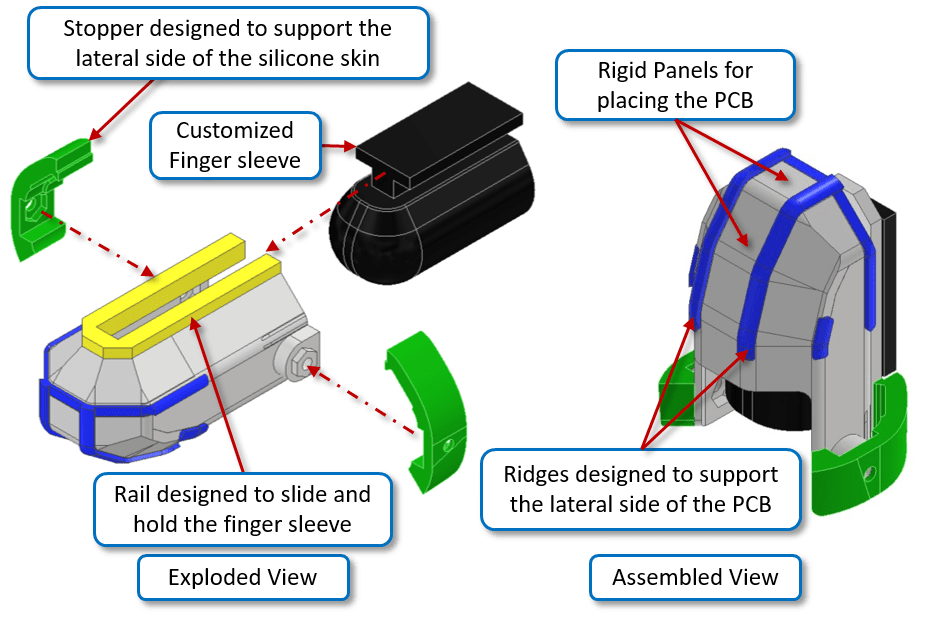
技术框架:传感器的设计、制造和校准是整体架构的核心,主要包括传感器的结构设计、材料选择、力测量算法以及数据处理模块。
关键创新:该传感器的互换性是其最重要的创新点,使得同一传感器可以在不同的手部系统中使用,突破了传统传感器的局限性。
关键设计:传感器在设计时考虑了力的分布特性,采用高灵敏度的传感材料,确保在X、Y、Z方向上具有较低的测量误差,具体参数设置和校准方法在论文中详细描述。
🖼️ 关键图片
📊 实验亮点
实验结果显示,该触觉传感器在X、Y、Z方向的平均绝对误差分别为0.21、0.16和0.44牛顿,表现出优异的测量精度。这一性能显著优于现有的触觉传感器,为机器人在复杂环境中的操作提供了更可靠的触觉反馈。
🎯 应用场景
该研究的潜在应用领域包括人机协作、机器人抓取与操作、以及虚拟现实中的触觉反馈系统。通过提高机器人对物体的感知和操作能力,该传感器能够在工业自动化、医疗机器人等领域发挥重要作用,未来可能推动机器人技术的进一步发展。
📄 摘要(原文)
Skill transfer from humans to robots is challenging. Presently, many researchers focus on capturing only position or joint angle data from humans to teach the robots. Even though this approach has yielded impressive results for grasping applications, reconstructing motion for object handling or fine manipulation from a human hand to a robot hand has been sparsely explored. Humans use tactile feedback to adjust their motion to various objects, but capturing and reproducing the applied forces is an open research question. In this paper we introduce a wearable fingertip tactile sensor, which captures the distributed 3-axis force vectors on the fingertip. The fingertip tactile sensor is interchangeable between the human hand and the robot hand, meaning that it can also be assembled to fit on a robot hand such as the Allegro hand. This paper presents the structural aspects of the sensor as well as the methodology and approach used to design, manufacture, and calibrate the sensor. The sensor is able to measure forces accurately with a mean absolute error of 0.21, 0.16, and 0.44 Newtons in X, Y, and Z directions, respectively.