Harnessing Attention Mechanisms: Efficient Sequence Reduction using Attention-based Autoencoders
作者: Daniel Biermann, Fabrizio Palumbo, Morten Goodwin, Ole-Christoffer Granmo
分类: cs.LG, cs.AI
发布日期: 2023-10-23
备注: 8 pages, 5 images, 1 table
💡 一句话要点
提出基于注意力机制的自编码器以高效减少序列长度
🎯 匹配领域: 支柱一:机器人控制 (Robot Control)
关键词: 注意力机制 自编码器 序列长度减少 机器学习 信息保留
📋 核心要点
- 现有模型在序列长度减少方面的处理往往是单一步骤,未充分利用这一过程来优化模型性能。
- 本文提出了一种基于注意力机制的自编码器,允许灵活地操控序列长度以提高模型的表现。
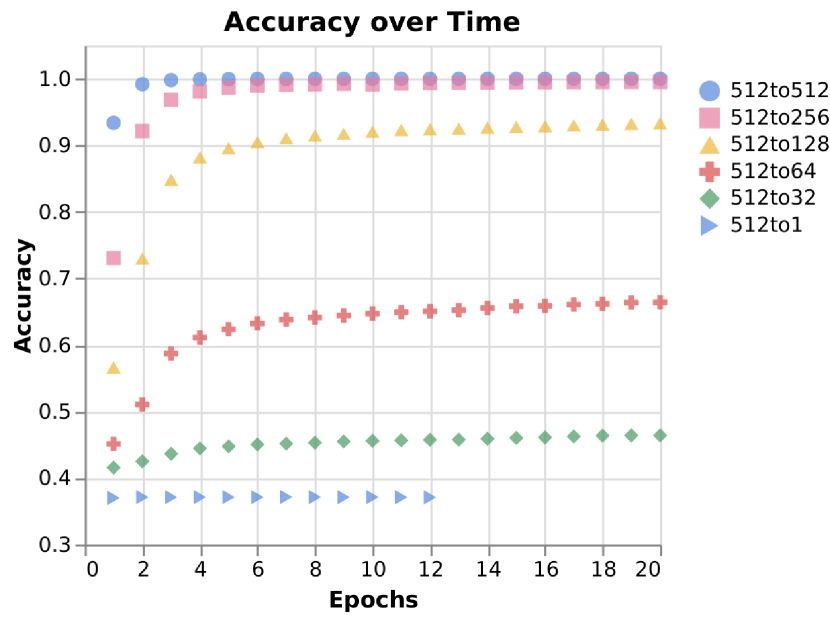
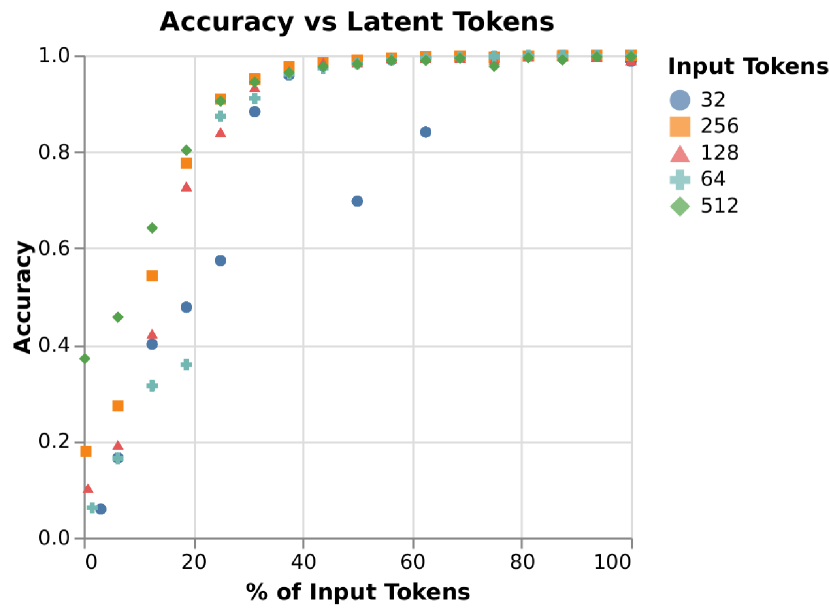
- 实验结果显示,自编码器在将序列缩减至一半时仍能保留重要信息,且在缩减至四分之一时重建准确率约为90%。
📝 摘要(中文)
许多机器学习模型通过维度操作来识别和学习数据中的重要特征。在处理序列数据时,通常在标记维度上进行操作。尽管许多任务需要改变序列长度,序列长度的减少通常是出于必要性且在单一步骤中完成。本文提出了一种新颖的基于注意力机制的方法,允许直接操控序列长度。我们在自编码器模型中应用该方法,能够将输入序列缩减至潜在空间中的较小序列,并从中重建原始序列。实验表明,当将原始序列缩减至其一半时,自编码器能够保留所有重要信息,甚至在缩减至原始大小的四分之一时,重建准确率仍可达到约90%。
🔬 方法详解
问题定义:本文旨在解决现有序列长度减少方法的不足,特别是其未能充分利用序列长度变化来优化模型性能的问题。
核心思路:提出了一种基于注意力机制的自编码器,通过直接操控序列长度来提升模型的表现,允许在不同的输入和潜在序列长度下进行有效的序列重建。
技术框架:整体架构包括输入序列的编码、潜在空间的序列缩减以及重建阶段。自编码器首先将输入序列映射到潜在空间,然后再从潜在表示中重建原始序列。
关键创新:最重要的创新在于将序列长度的减少视为模型优化的机会,而非单纯的必要步骤,这一思路在现有文献中尚未被充分探讨。
关键设计:在网络结构上,采用了基于注意力机制的编码器和解码器,损失函数设计为重建误差,确保在序列缩减过程中尽可能保留重要信息。
🖼️ 关键图片

📊 实验亮点
实验结果表明,所提出的自编码器在将序列缩减至原始长度的一半时,能够保留所有重要信息,重建准确率达到90%。在将序列缩减至四分之一时,重建准确率仍保持在90%左右,显示出该方法在序列处理中的有效性和优势。
🎯 应用场景
该研究的潜在应用领域包括自然语言处理、时间序列分析和视频处理等,能够帮助模型在处理长序列时提高效率和准确性。未来,该方法可能在实时数据处理和大规模数据分析中发挥重要作用,推动相关领域的发展。
📄 摘要(原文)
Many machine learning models use the manipulation of dimensions as a driving force to enable models to identify and learn important features in data. In the case of sequential data this manipulation usually happens on the token dimension level. Despite the fact that many tasks require a change in sequence length itself, the step of sequence length reduction usually happens out of necessity and in a single step. As far as we are aware, no model uses the sequence length reduction step as an additional opportunity to tune the models performance. In fact, sequence length manipulation as a whole seems to be an overlooked direction. In this study we introduce a novel attention-based method that allows for the direct manipulation of sequence lengths. To explore the method's capabilities, we employ it in an autoencoder model. The autoencoder reduces the input sequence to a smaller sequence in latent space. It then aims to reproduce the original sequence from this reduced form. In this setting, we explore the methods reduction performance for different input and latent sequence lengths. We are able to show that the autoencoder retains all the significant information when reducing the original sequence to half its original size. When reducing down to as low as a quarter of its original size, the autoencoder is still able to reproduce the original sequence with an accuracy of around 90%.