Towards Causal Foundation Model: on Duality between Causal Inference and Attention
作者: Jiaqi Zhang, Joel Jennings, Agrin Hilmkil, Nick Pawlowski, Cheng Zhang, Chao Ma
分类: cs.LG, cs.AI, stat.ME, stat.ML
发布日期: 2023-10-01 (更新: 2024-06-03)
💡 一句话要点
提出CInA方法以解决因果推断中的复杂性问题
🎯 匹配领域: 支柱九:具身大模型 (Embodied Foundation Models)
关键词: 因果推断 自监督学习 变换器模型 零-shot学习 协变量平衡 机器学习 基础模型
📋 核心要点
- 现有因果推断方法在处理复杂推理步骤和高精度要求时面临显著挑战,导致效果不理想。
- 本文提出的CInA方法通过自监督学习利用多个未标记数据集,实现了对新任务的零-shot因果推断。
- 实验结果表明,CInA在多种真实世界数据集上表现优异,超越了传统方法,展现了良好的泛化能力。
📝 摘要(中文)
基础模型在机器学习领域带来了变革,展现出人类级别的智能。然而,在因果推断等复杂任务中仍存在差距,主要由于推理步骤复杂和高数值精度要求的挑战。本文首次提出了一种因果感知基础模型的构建方法,称为因果推断与注意力结合(CInA),利用多个未标记数据集进行自监督因果学习,从而实现对新数据的零-shot因果推断。我们通过理论结果展示了最优协变量平衡与自注意力之间的原始-对偶关系,支持通过训练好的变换器架构的最终层进行零-shot因果推断。实验证明,CInA在分布外数据集和多种真实世界数据集上有效泛化,性能匹配甚至超越传统的逐数据集方法。
🔬 方法详解
问题定义:本文旨在解决因果推断中的复杂性问题,现有方法在推理步骤和数值精度方面存在显著不足,限制了其在复杂任务中的应用。
核心思路:CInA方法通过自监督学习,利用多个未标记数据集进行因果学习,进而实现对新任务的零-shot因果推断,旨在简化因果推断的过程。
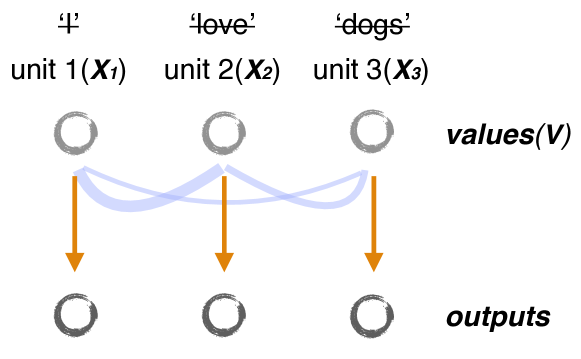
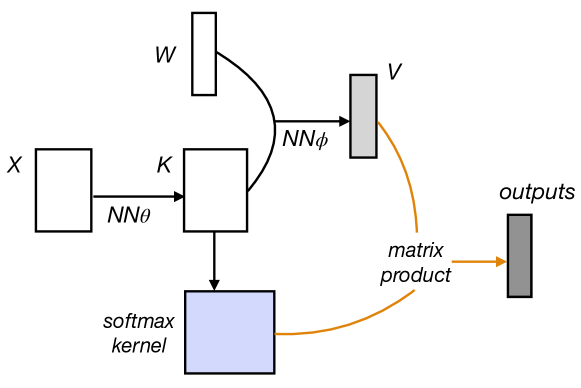
技术框架:整体架构基于变换器模型,包含自注意力机制和协变量平衡的结合。通过训练后的模型,最终层实现零-shot因果推断。
关键创新:最重要的创新在于揭示了最优协变量平衡与自注意力之间的原始-对偶关系,使得因果推断过程更加高效,与传统方法相比具有本质区别。
关键设计:在参数设置上,采用了适应性学习率和特定的损失函数以优化模型性能,网络结构上则基于变换器架构,确保了模型的灵活性和适应性。
🖼️ 关键图片
📊 实验亮点
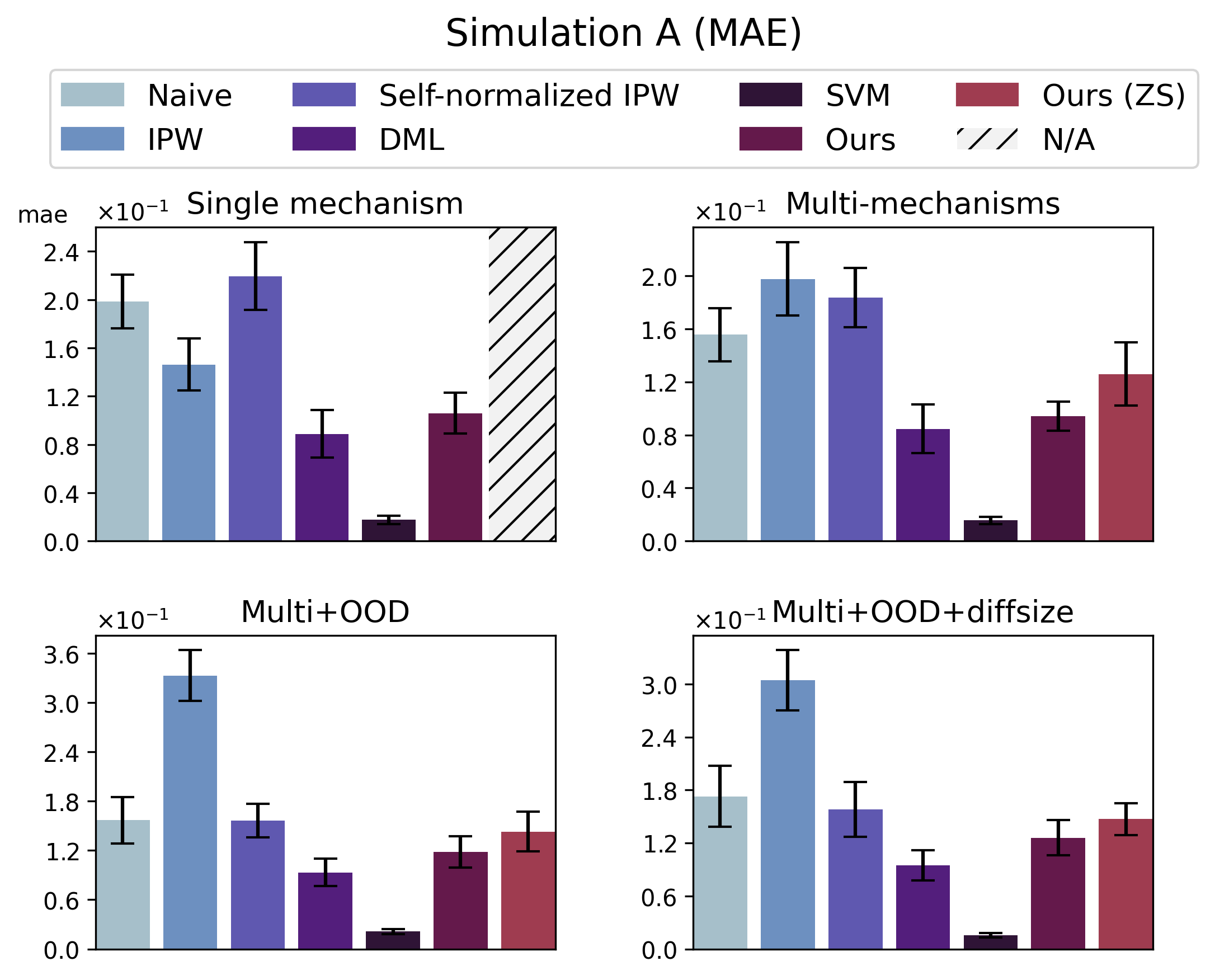
实验结果显示,CInA在多个真实世界数据集上的表现超越了传统逐数据集方法,尤其在分布外数据集上展现出强大的泛化能力,验证了其有效性和实用性。
🎯 应用场景
该研究的潜在应用领域包括医疗、经济学和社会科学等需要因果推断的复杂任务。通过提供更高效的因果推断工具,CInA方法可以帮助研究人员和决策者更好地理解因果关系,从而做出更为精准的决策,未来可能在政策制定和临床研究中产生深远影响。
📄 摘要(原文)
Foundation models have brought changes to the landscape of machine learning, demonstrating sparks of human-level intelligence across a diverse array of tasks. However, a gap persists in complex tasks such as causal inference, primarily due to challenges associated with intricate reasoning steps and high numerical precision requirements. In this work, we take a first step towards building causally-aware foundation models for treatment effect estimations. We propose a novel, theoretically justified method called Causal Inference with Attention (CInA), which utilizes multiple unlabeled datasets to perform self-supervised causal learning, and subsequently enables zero-shot causal inference on unseen tasks with new data. This is based on our theoretical results that demonstrate the primal-dual connection between optimal covariate balancing and self-attention, facilitating zero-shot causal inference through the final layer of a trained transformer-type architecture. We demonstrate empirically that CInA effectively generalizes to out-of-distribution datasets and various real-world datasets, matching or even surpassing traditional per-dataset methodologies. These results provide compelling evidence that our method has the potential to serve as a stepping stone for the development of causal foundation models.