AutoIOT: LLM-Driven Automated Natural Language Programming for AIoT Applications
作者: Leming Shen, Qiang Yang, Yuanqing Zheng, Mo Li
分类: cs.CL, cs.AI, cs.SE
发布日期: 2025-03-07
💡 一句话要点
AutoIOT:LLM驱动的AIoT应用自然语言自动编程
🎯 匹配领域: 支柱九:具身大模型 (Embodied Foundation Models)
关键词: AIoT 自然语言编程 大型语言模型 自动代码生成 物联网 隐私保护 可解释性
📋 核心要点
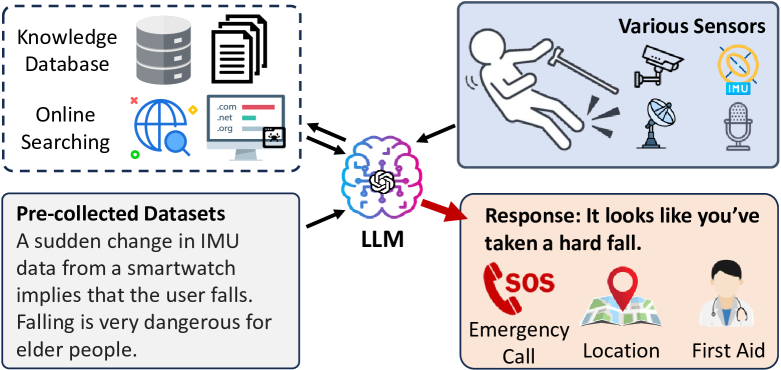
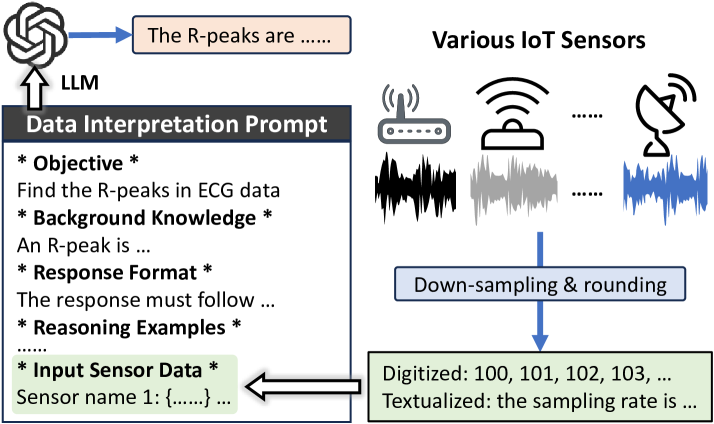
- 现有AIoT方案需将原始传感器数据上传至LLM服务器,存在隐私泄露风险,同时产生高昂的token费用,并受限于token长度。
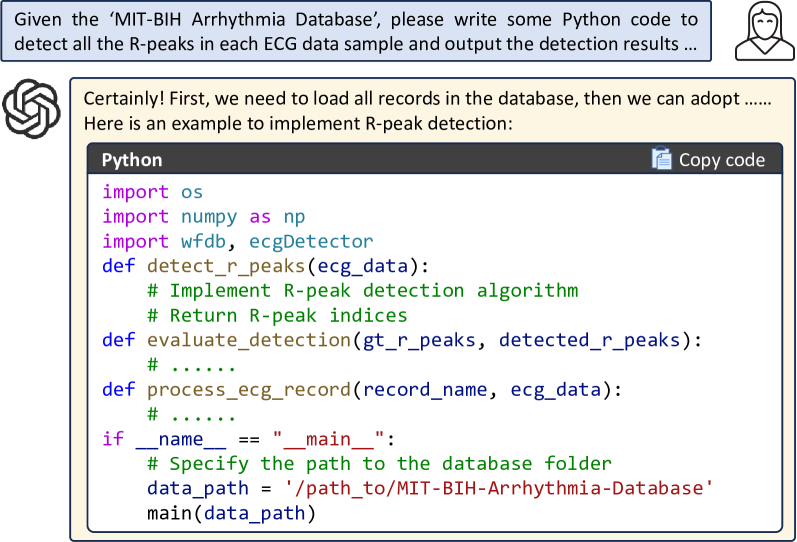
- AutoIOT通过自然语言输入自动生成可解释的AIoT程序,并在本地执行,降低了隐私风险和token成本,提升了可解释性。
- 实验结果表明,AutoIOT生成的程序在各种AIoT任务中表现出色,性能可与甚至超过现有基线方法。
📝 摘要(中文)
大型语言模型(LLM)的出现深刻地改变了我们的生活,彻底改变了与AI的交互方式,并降低了AI的使用门槛。虽然LLM主要设计用于自然语言交互,但其广泛的嵌入知识使其能够理解数字传感器数据。这种能力使LLM能够通过物联网传感器和执行器与物理世界交互,执行各种AIoT任务。因此,这种演进引发了传统AIoT应用开发中的范式转变,通过自然语言促进AIoT应用的设计和开发,从而使所有人都能访问它。然而,要充分释放LLM在AIoT应用开发中的潜力,还需要解决一些限制。首先,现有的解决方案通常需要将原始传感器数据传输到LLM服务器,这会引发隐私问题,产生高昂的查询费用,并受到token大小的限制。此外,LLM的推理过程对用户来说是不透明的,这使得验证推理结果的鲁棒性和正确性变得困难。本文介绍了一种基于LLM的AIoT应用自动程序生成器AutoIOT。AutoIOT使用户能够使用自然语言(输入)指定其需求,并自动合成带有文档(输出)的可解释程序。AutoIOT自动执行迭代优化,以在最少用户参与的情况下提高生成代码的质量。AutoIOT不仅使AIoT任务的执行更具可解释性,而且还通过本地执行合成程序来减轻隐私问题并降低token成本。大量的实验和用户研究表明了AutoIOT在各种AIoT任务的程序合成方面的卓越能力。合成程序可以匹配甚至优于一些具有代表性的基线。
🔬 方法详解
问题定义:现有AIoT应用开发依赖复杂的编程,普通用户难以参与。同时,直接使用LLM处理原始传感器数据存在隐私问题,且LLM推理过程不透明,难以验证结果的可靠性。因此,需要一种方法,能够让用户通过自然语言描述需求,自动生成可解释、可信赖的AIoT程序。
核心思路:AutoIOT的核心思路是利用LLM的自然语言理解和代码生成能力,将用户的自然语言需求转化为可执行的程序。通过程序的可解释性,增强用户对AIoT系统行为的理解和信任。同时,在本地执行生成的程序,避免了将敏感数据上传到云端LLM服务器。
技术框架:AutoIOT主要包含以下几个模块:1) 自然语言需求解析模块:将用户输入的自然语言描述转化为结构化的需求表示。2) 程序生成模块:利用LLM将结构化需求转化为可执行的程序代码。3) 程序优化模块:通过迭代优化,提升生成代码的质量和效率。4) 文档生成模块:自动生成程序代码的文档,提高可读性和可维护性。
关键创新:AutoIOT的关键创新在于:1) 提出了一种基于LLM的自动程序生成框架,降低了AIoT应用开发的门槛。2) 通过生成可解释的程序代码,增强了用户对AIoT系统行为的理解和信任。3) 在本地执行生成的程序,避免了将敏感数据上传到云端LLM服务器,保护了用户隐私。
关键设计:AutoIOT在程序生成模块中,使用了Prompt Engineering技术,设计了合适的Prompt,引导LLM生成高质量的代码。同时,在程序优化模块中,采用了基于反馈的迭代优化策略,不断提升生成代码的性能。具体的参数设置和损失函数等技术细节在论文中未详细说明,属于未知信息。
🖼️ 关键图片
📊 实验亮点
实验结果表明,AutoIOT在各种AIoT任务中表现出色,生成的程序可以匹配甚至超过一些具有代表性的基线方法。具体的性能数据和提升幅度在论文中进行了详细的展示,证明了AutoIOT在AIoT应用自动编程方面的有效性。
🎯 应用场景
AutoIOT可广泛应用于智能家居、智慧农业、工业自动化等领域。用户可以通过自然语言指令控制各种IoT设备,例如自动调节室内温度、灌溉农田、监控生产线等。该研究降低了AIoT应用开发的门槛,使更多人能够参与到AIoT创新中,加速AIoT技术的普及和应用。
📄 摘要(原文)
The advent of Large Language Models (LLMs) has profoundly transformed our lives, revolutionizing interactions with AI and lowering the barrier to AI usage. While LLMs are primarily designed for natural language interaction, the extensive embedded knowledge empowers them to comprehend digital sensor data. This capability enables LLMs to engage with the physical world through IoT sensors and actuators, performing a myriad of AIoT tasks. Consequently, this evolution triggers a paradigm shift in conventional AIoT application development, democratizing its accessibility to all by facilitating the design and development of AIoT applications via natural language. However, some limitations need to be addressed to unlock the full potential of LLMs in AIoT application development. First, existing solutions often require transferring raw sensor data to LLM servers, which raises privacy concerns, incurs high query fees, and is limited by token size. Moreover, the reasoning processes of LLMs are opaque to users, making it difficult to verify the robustness and correctness of inference results. This paper introduces AutoIOT, an LLM-based automated program generator for AIoT applications. AutoIOT enables users to specify their requirements using natural language (input) and automatically synthesizes interpretable programs with documentation (output). AutoIOT automates the iterative optimization to enhance the quality of generated code with minimum user involvement. AutoIOT not only makes the execution of AIoT tasks more explainable but also mitigates privacy concerns and reduces token costs with local execution of synthesized programs. Extensive experiments and user studies demonstrate AutoIOT's remarkable capability in program synthesis for various AIoT tasks. The synthesized programs can match and even outperform some representative baselines.