Agentic Design Patterns: A System-Theoretic Framework
作者: Minh-Dung Dao, Quy Minh Le, Hoang Thanh Lam, Duc-Trong Le, Quoc-Viet Pham, Barry O'Sullivan, Hoang D. Nguyen
分类: cs.AI
发布日期: 2026-01-27
💡 一句话要点
提出基于系统论的Agentic设计模式框架,解决智能体系统设计中的不可靠和脆弱性问题。
🎯 匹配领域: 支柱二:RL算法与架构 (RL & Architecture) 支柱九:具身大模型 (Embodied Foundation Models)
关键词: Agentic AI 设计模式 系统论 大型语言模型 智能体系统 自主系统 ReAct框架
📋 核心要点
- 现有Agentic AI系统设计缺乏系统理论基础,导致系统脆弱且不可靠,难以应对幻觉和推理不足等问题。
- 论文提出一种基于系统论的Agentic设计框架,将智能体系统分解为五个核心子系统,并据此构建设计模式。
- 通过ReAct框架的案例研究验证了该框架的有效性,表明所提出的设计模式能够有效纠正系统架构缺陷。
📝 摘要(中文)
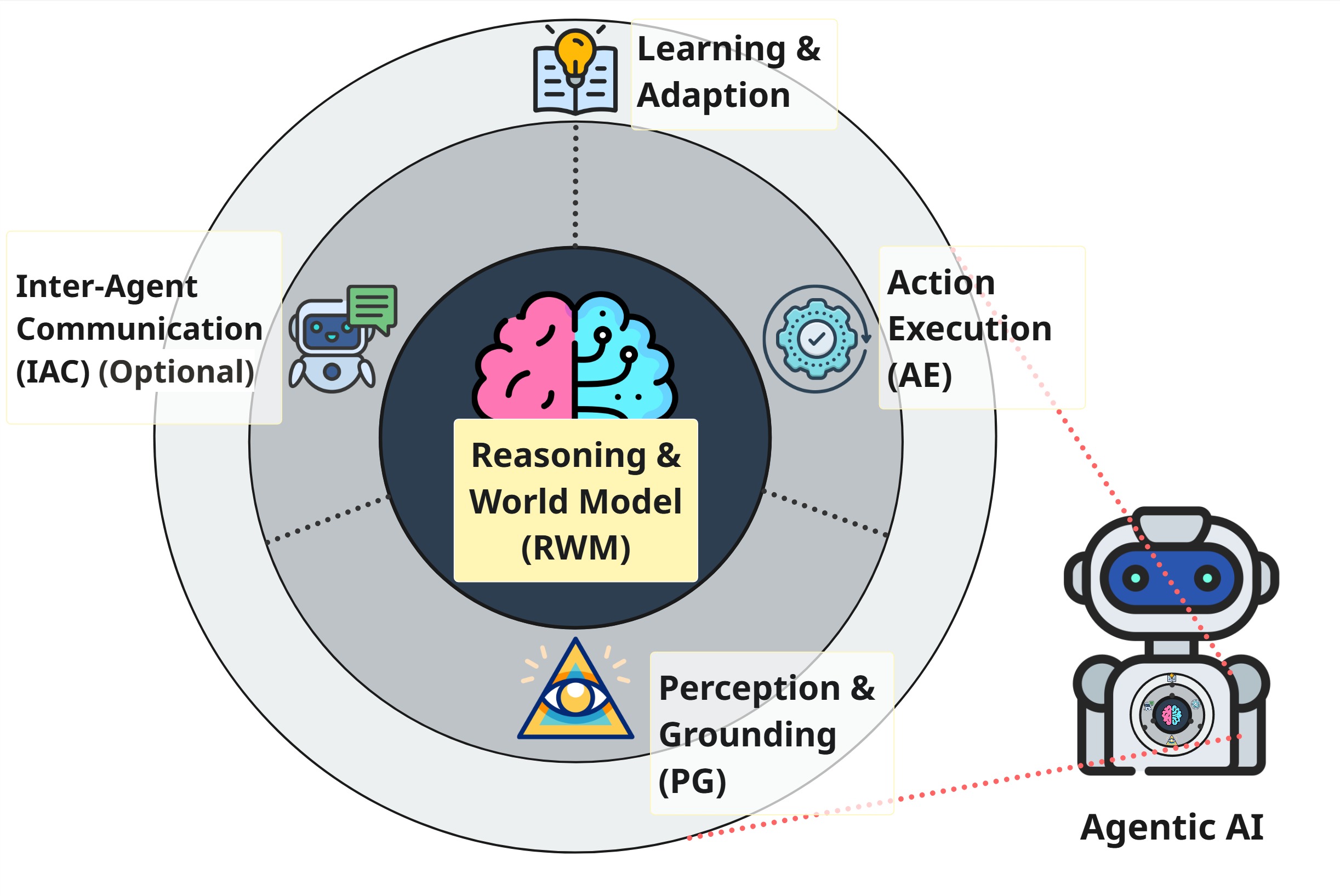
随着基础模型(FM)的发展,Agentic AI系统越来越受到关注,但其固有的幻觉和推理能力差等问题,以及系统设计的频繁临时性,导致应用程序不可靠且脆弱。现有的Agentic设计模式表征工作通常缺乏严格的系统论基础,导致高级或基于便利性的分类,难以实施。本文通过引入一种用于工程化鲁棒AI Agent的原则性方法来解决这一差距。我们提出了两个主要贡献:首先,一个新的系统论框架,将Agentic AI系统解构为五个核心的、相互作用的功能子系统:推理与世界模型、感知与接地、行动执行、学习与适应以及Agent间通信。其次,从该架构中导出并直接映射到Agentic挑战的综合分类,我们提出了一组12个Agentic设计模式。这些模式被分类为基础性、认知与决策、执行与交互以及适应与学习,为Agent设计中反复出现的问题提供可重用的结构化解决方案。通过ReAct框架的案例研究证明了该框架的效用,展示了所提出的模式如何纠正系统性架构缺陷。这项工作提供了一种基础语言和结构化方法,以标准化研究人员和工程师之间的Agentic设计沟通,从而实现更模块化、可理解和可靠的自主系统。
🔬 方法详解
问题定义:Agentic AI系统,尤其是基于大型语言模型的智能体,在实际应用中面临着可靠性和鲁棒性的挑战。现有设计方法往往是临时的,缺乏系统性的理论指导,导致智能体容易产生幻觉、推理能力不足,并且难以维护和扩展。因此,需要一种系统化的方法来设计和构建更可靠的Agentic AI系统。
核心思路:论文的核心思路是将Agentic AI系统视为一个复杂的系统,并应用系统论的原则来分析和设计。通过将系统分解为多个相互作用的子系统,可以更好地理解系统的行为和性能,并针对性地设计解决方案。此外,论文还提出了Agentic设计模式的概念,为解决Agent设计中常见的问题提供可重用的结构化解决方案。
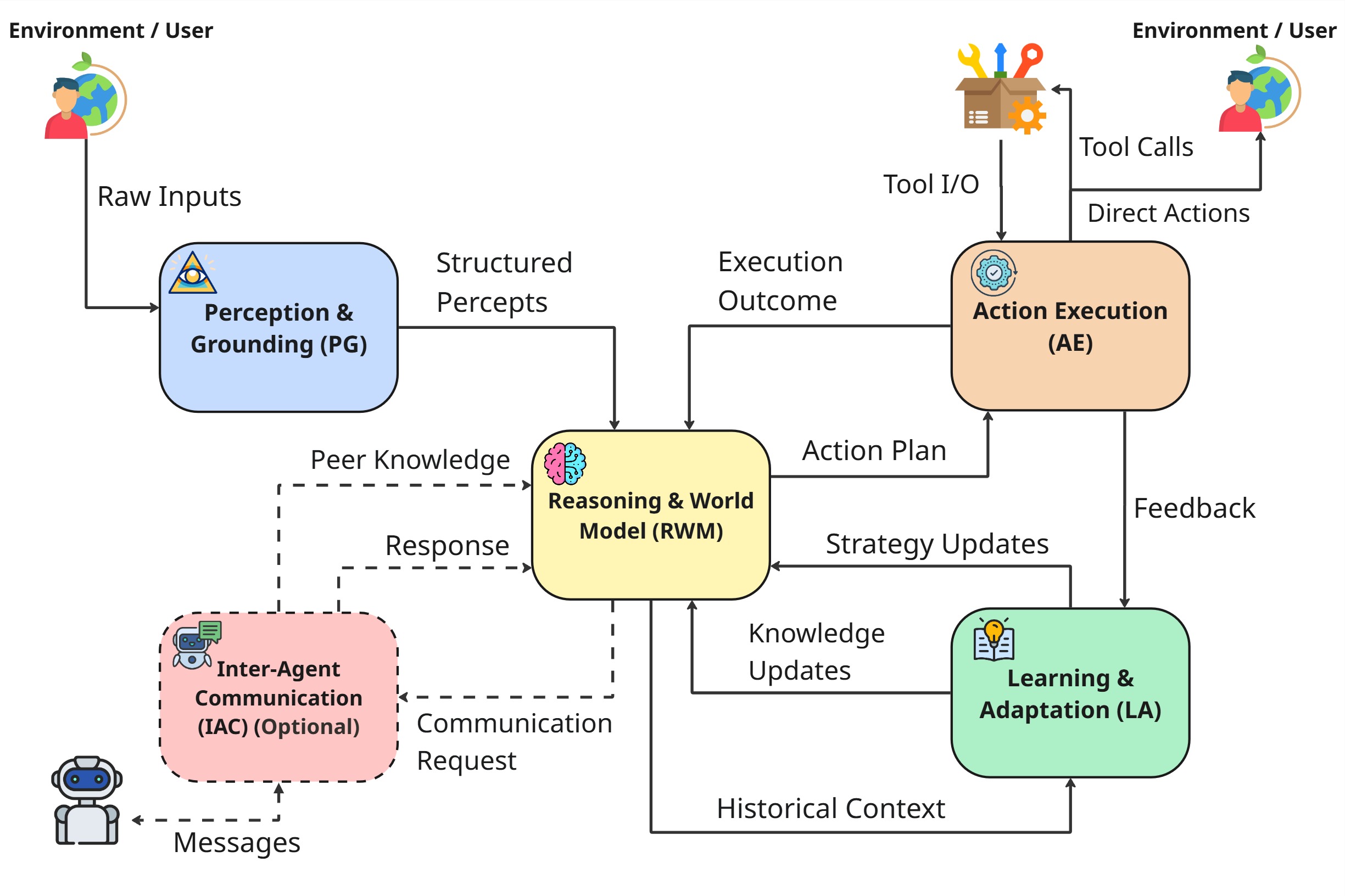
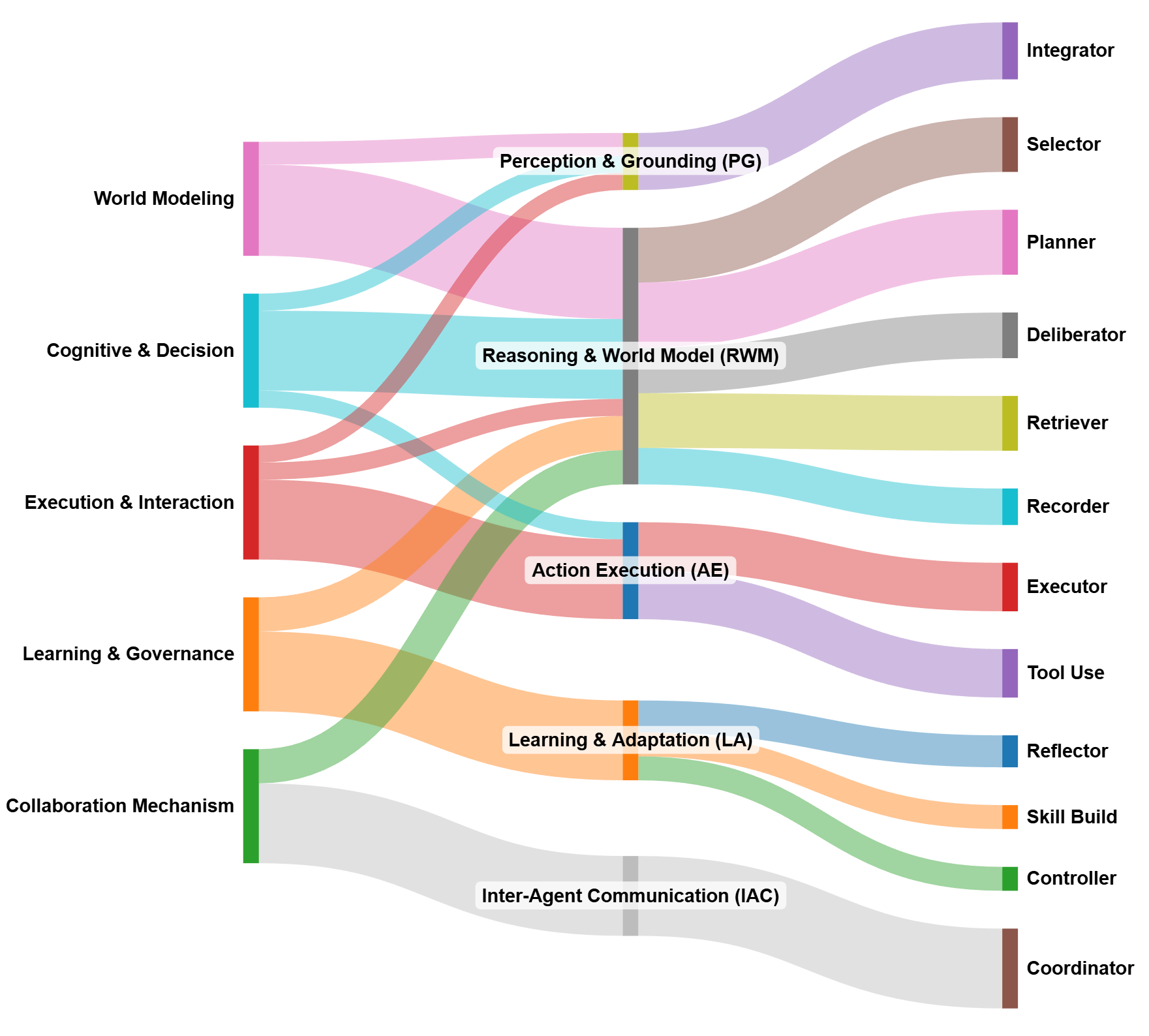
技术框架:论文提出的技术框架包含以下几个主要组成部分: 1. 系统论框架:将Agentic AI系统分解为五个核心子系统:推理与世界模型、感知与接地、行动执行、学习与适应以及Agent间通信。 2. Agentic设计模式:基于系统论框架和Agentic挑战的分类,提出了一组12个Agentic设计模式,涵盖基础性、认知与决策、执行与交互以及适应与学习等方面。 3. 案例研究:通过ReAct框架的案例研究,验证了所提出的框架和设计模式的有效性。
关键创新:论文的关键创新在于: 1. 提出了一个基于系统论的Agentic AI系统框架,为Agent设计提供了一个系统性的理论基础。 2. 提出了Agentic设计模式的概念,为解决Agent设计中常见的问题提供可重用的结构化解决方案。 3. 将Agentic挑战与设计模式直接映射,使得设计模式的选择更加有针对性。
关键设计:论文中关键的设计包括: 1. 五个核心子系统的划分,需要仔细考虑各个子系统的功能和相互作用。 2. 12个Agentic设计模式的设计,需要充分考虑Agent设计中常见的问题和挑战。 3. 设计模式的分类,需要确保每个模式都属于一个明确的类别,并且类别之间没有重叠。
🖼️ 关键图片
📊 实验亮点
论文通过ReAct框架的案例研究,展示了所提出的Agentic设计模式可以有效纠正系统性架构缺陷。具体来说,通过应用适当的设计模式,可以提高ReAct框架的推理能力、减少幻觉,并提高系统的整体可靠性。案例研究结果表明,该框架和设计模式具有实际的应用价值。
🎯 应用场景
该研究成果可应用于各种需要自主决策和行动的Agentic AI系统,例如智能客服、自动驾驶、机器人控制、智能家居等。通过应用所提出的框架和设计模式,可以构建更可靠、更鲁棒的Agentic AI系统,提高系统的性能和用户体验,并降低开发和维护成本。未来,该研究可以进一步扩展到更复杂的Agentic AI系统,例如多Agent系统和混合智能系统。
📄 摘要(原文)
With the development of foundation model (FM), agentic AI systems are getting more attention, yet their inherent issues like hallucination and poor reasoning, coupled with the frequent ad-hoc nature of system design, lead to unreliable and brittle applications. Existing efforts to characterise agentic design patterns often lack a rigorous systems-theoretic foundation, resulting in high-level or convenience-based taxonomies that are difficult to implement. This paper addresses this gap by introducing a principled methodology for engineering robust AI agents. We propose two primary contributions: first, a novel system-theoretic framework that deconstructs an agentic AI system into five core, interacting functional subsystems: Reasoning & World Model, Perception & Grounding, Action Execution, Learning & Adaptation, and Inter-Agent Communication. Second, derived from this architecture and directly mapped to a comprehensive taxonomy of agentic challenges, we present a collection of 12 agentic design patterns. These patterns - categorised as Foundational, Cognitive & Decisional, Execution & Interaction, and Adaptive & Learning - offer reusable, structural solutions to recurring problems in agent design. The utility of the framework is demonstrated by a case study on the ReAct framework, showing how the proposed patterns can rectify systemic architectural deficiencies. This work provides a foundational language and a structured methodology to standardise agentic design communication among researchers and engineers, leading to more modular, understandable, and reliable autonomous systems.