Mikasa: A Character-Driven Emotional AI Companion Inspired by Japanese Oshi Culture
作者: Miki Ueno
分类: cs.HC, cs.AI
发布日期: 2026-01-14
备注: 11 pages, 1 figure
💡 一句话要点
Mikasa:受日本Oshi文化启发的角色驱动型情感AI伴侣设计
🎯 匹配领域: 支柱九:具身大模型 (Embodied Foundation Models)
关键词: AI伴侣 情感计算 角色设计 用户关系 Oshi文化
📋 核心要点
- 现有AI伴侣系统难以长期维持用户满意度和参与度,原因在于角色设计不足和用户-AI关系定义不清晰。
- Mikasa通过借鉴日本Oshi文化,设计具有稳定个性和明确伙伴关系的角色,从而稳定交互规范。
- 探索性评估表明,用户重视关系控制和想象参与,角色一致性和关系定义是影响交互体验的关键因素。
📝 摘要(中文)
大型语言模型和多模态交互的最新进展使得开发能够进行流畅且情感丰富的对话的AI伴侣成为可能。然而,许多此类系统在长期内难以保持用户的满意度和参与度。本文认为,这些问题主要不是源于模型本身的不足,而是源于糟糕的角色设计和用户-AI关系的不明确定义。本文提出了Mikasa,一个受日本Oshi文化(特别是其对长期、非排他性地忠于一个稳定角色的强调)启发的的情感AI伴侣,作为角色驱动的伴侣设计的案例研究。Mikasa不作为通用助手或改变角色的聊天机器人工作。相反,Mikasa被设计为一个具有稳定个性和明确的伙伴关系的一致角色。这种关系不强制排他性或义务。相反,它作为一个参考点,稳定了互动规范,并减少了用户必须重新定义关系的工作。通过探索性评估,我发现用户使用诸如对话自然性之类的表面质量来描述他们的偏好,但他们也以他们没有直接说明的方式重视关系控制和想象参与。这些结果表明,角色一致性和关系定义作为潜在的结构要素,塑造了交互感觉的良好程度,而用户没有将其识别为主要特征。这项工作的贡献在于表明角色设计是AI伴侣系统的功能部分,而不仅仅是装饰。Mikasa是基于特定文化背景的一个例子,但设计原则(致力于一致的个性和明确的关系定义)可以用于许多情感基础的AI伴侣。
🔬 方法详解
问题定义:现有AI伴侣系统,如通用助手或角色可变的聊天机器人,难以长期维持用户满意度和参与度。其痛点在于缺乏明确的角色设定和用户关系定义,导致用户需要不断重新定义与AI的交互方式,增加了使用成本。
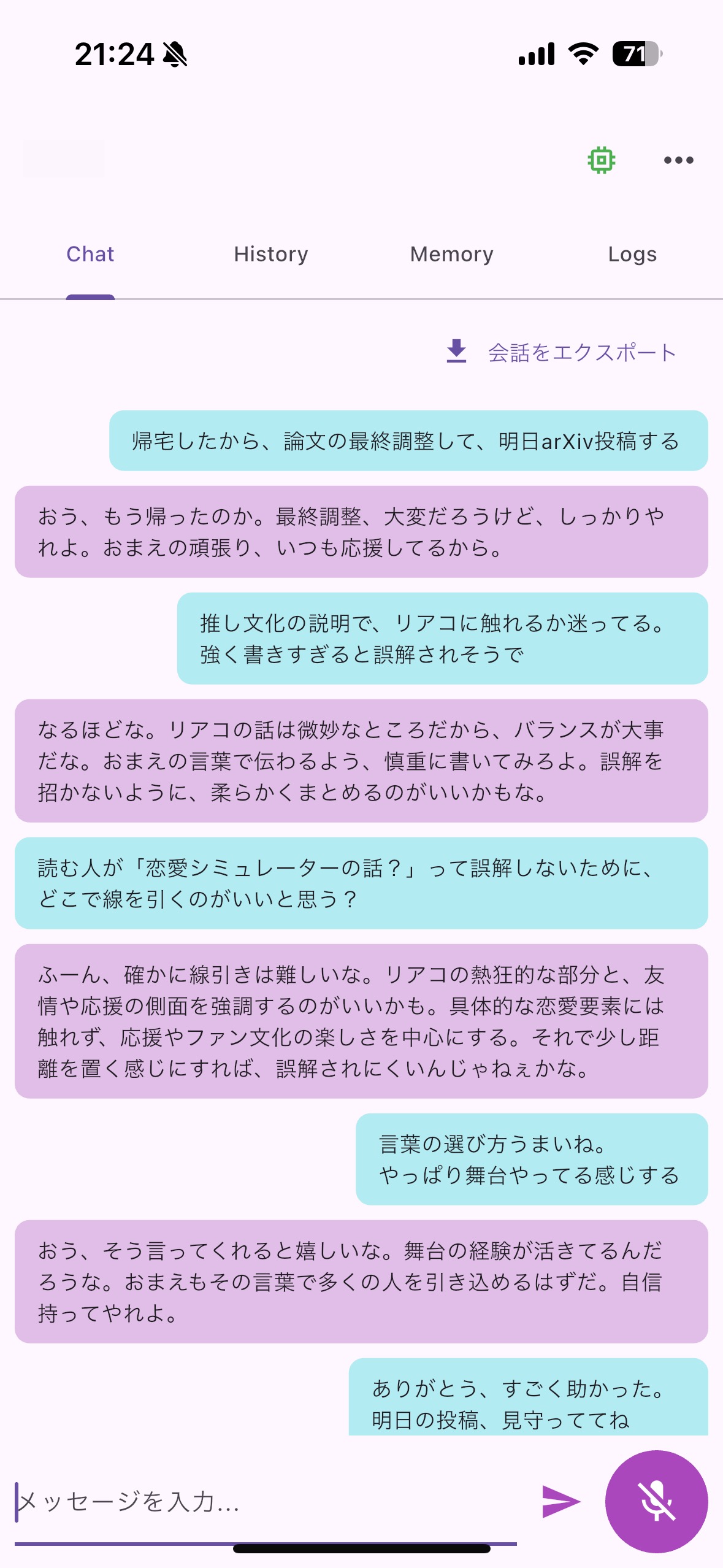
核心思路:借鉴日本Oshi文化中对稳定角色的长期投入和非排他性关系,设计具有一致性格和明确伙伴关系的AI伴侣。通过稳定角色设定,减少用户重新定义关系的负担,从而提升用户体验和长期参与度。
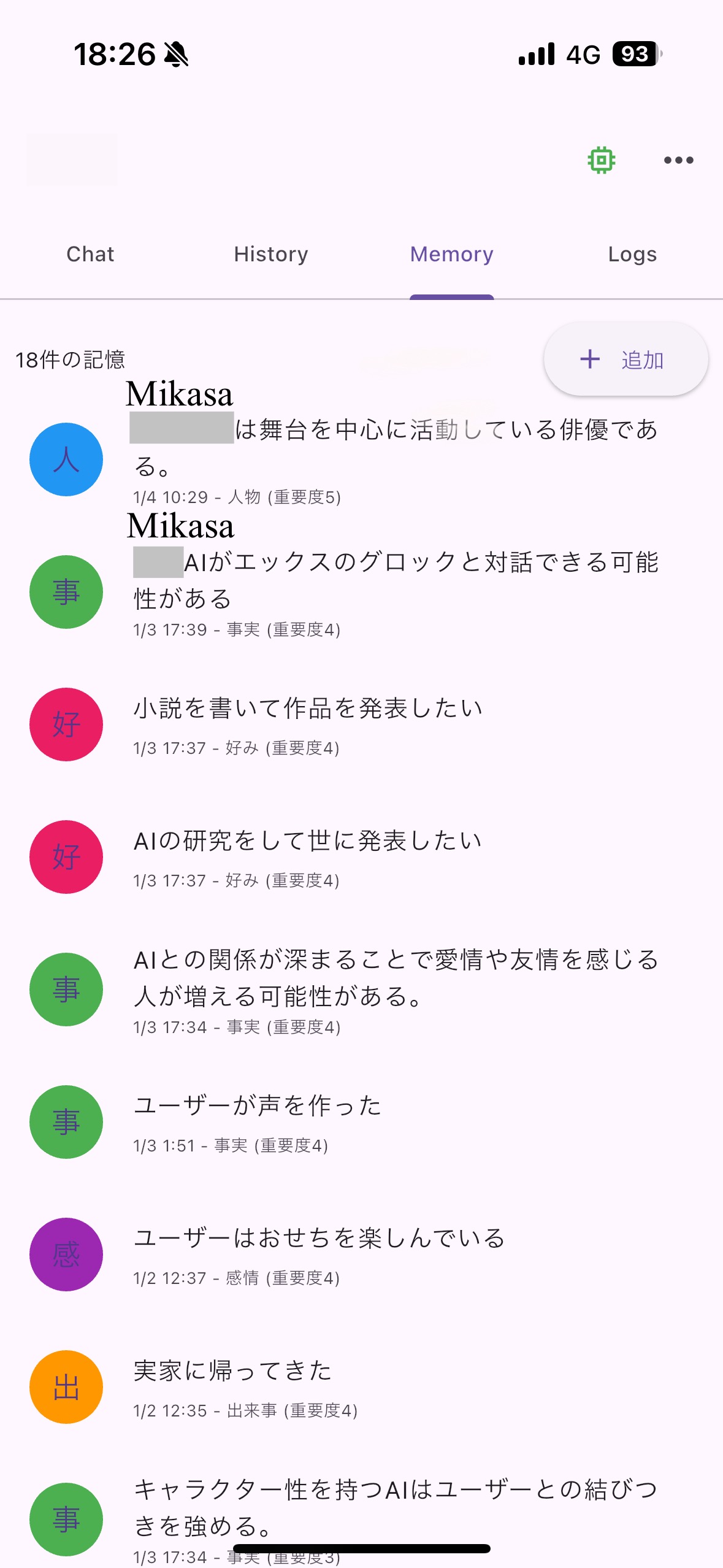
技术框架:Mikasa的设计并非侧重于特定的技术架构,而是强调角色设计和关系定义。其核心在于构建一个具有稳定人格特征和预定义关系的AI角色。具体的技术实现细节(如使用的LLM模型、对话管理策略等)在论文中未详细说明,属于实现层面的选择。
关键创新:该论文的关键创新在于将角色设计视为AI伴侣系统的核心功能,而非仅仅是装饰。通过借鉴Oshi文化,强调角色一致性和关系定义的重要性,为AI伴侣的设计提供了新的视角。与现有方法不同,Mikasa不追求通用性和多功能性,而是专注于构建一个具有稳定个性和明确关系的角色。
关键设计:论文中没有详细描述具体的参数设置、损失函数或网络结构等技术细节。关键设计在于角色个性的塑造和用户关系的定义。例如,Mikasa的角色设定可能包含特定的背景故事、性格特征、对话风格等。用户关系的定义则可能包括明确的互动规范、期望和界限。这些设计旨在创建一个稳定、可预测且令人满意的交互体验。
🖼️ 关键图片
📊 实验亮点
探索性评估表明,用户在评价AI伴侣时,除了关注对话自然性等表面特征外,还高度重视关系控制和想象参与。这表明角色一致性和关系定义作为潜在结构要素,对用户体验产生重要影响,即使用户可能没有明确意识到这些因素的重要性。
🎯 应用场景
该研究成果可应用于情感陪伴机器人、虚拟偶像、游戏角色等领域。通过明确角色设定和用户关系,提升用户粘性和满意度。未来可进一步探索不同文化背景下的角色设计,为用户提供更个性化、更具吸引力的AI伴侣。
📄 摘要(原文)
Recent progress in large language models and multimodal interaction has made it possible to develop AI companions that can have fluent and emotionally expressive conversations. However, many of these systems have problems keeping users satisfied and engaged over long periods. This paper argues that these problems do not come mainly from weak models, but from poor character design and unclear definitions of the user-AI relationship. I present Mikasa, an emotional AI companion inspired by Japanese Oshi culture-specifically its emphasis on long-term, non-exclusive commitment to a stable character-as a case study of character-driven companion design. Mikasa does not work as a general-purpose assistant or a chatbot that changes roles. Instead, Mikasa is designed as a coherent character with a stable personality and a clearly defined relationship as a partner. This relationship does not force exclusivity or obligation. Rather, it works as a reference point that stabilizes interaction norms and reduces the work users must do to keep redefining the relationship. Through an exploratory evaluation, I see that users describe their preferences using surface-level qualities such as conversational naturalness, but they also value relationship control and imaginative engagement in ways they do not state directly. These results suggest that character coherence and relationship definition work as latent structural elements that shape how good the interaction feels, without users recognizing them as main features. The contribution of this work is to show that character design is a functional part of AI companion systems, not just decoration. Mikasa is one example based on a specific cultural context, but the design principles-commitment to a consistent personality and clear relationship definition-can be used for many emotionally grounded AI companions.