Three methods, one problem: Classical and AI approaches to no-three-in-line
作者: Pranav Ramanathan, Thomas Prellberg, Matthew Lewis, Prathamesh Dinesh Joshi, Raj Abhijit Dandekar, Rajat Dandekar, Sreedath Panat
分类: cs.AI
发布日期: 2025-12-12 (更新: 2025-12-22)
💡 一句话要点
首次系统比较整数线性规划与AI方法求解No-Three-In-Line问题
🎯 匹配领域: 支柱二:RL算法与架构 (RL & Architecture)
关键词: 组合优化 No-Three-In-Line问题 整数线性规划 Transformer学习 强化学习 模式识别 约束满足问题
📋 核心要点
- No-Three-In-Line问题求解面临指数级复杂度挑战,传统整数线性规划方法难以有效扩展到更大规模。
- 论文提出基于PatternBoost Transformer学习和强化学习(PPO)的AI方法,探索模式识别和策略学习在近似求解中的潜力。
- 实验表明,PatternBoost在小规模网格上可媲美最优解,PPO在特定规模下表现良好,但混合方法更具扩展潜力。
📝 摘要(中文)
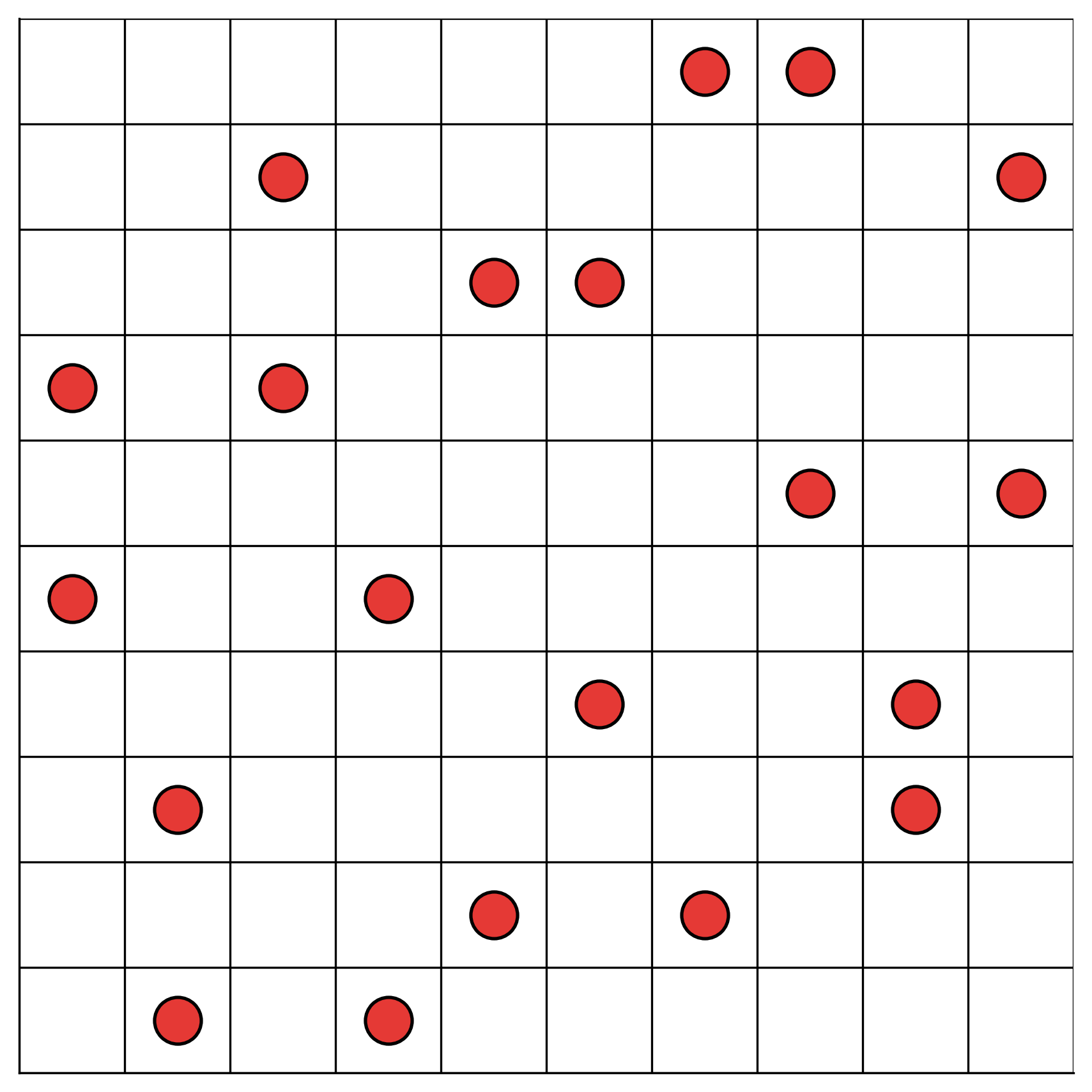
No-Three-In-Line问题是一个著名的组合几何问题,旨在寻找在n×n网格上放置的最大点数,且任意三点不共线。尽管整数线性规划(ILP)等经典方法能保证最优解,但其计算复杂度随网格尺寸呈指数增长。近年来,机器学习在基于模式的近似求解方面展现出潜力。本文首次系统地比较了经典优化方法和AI方法在该问题上的表现,评估了它们相对于传统算法的性能。我们将PatternBoost Transformer学习和强化学习(PPO)首次应用于该问题,并与ILP进行比较。ILP在19×19网格内实现了可证明的最优解,而PatternBoost在14×14网格内匹配了最优性能,测试损失降低了96%。PPO在10×10网格上实现了完美解,但在11×11网格上失败,约束违反导致无效配置。结果表明,经典优化对于精确解仍然至关重要,而AI方法在较小实例上表现出竞争优势,混合方法是扩展到更大问题规模最有希望的方向。
🔬 方法详解
问题定义:No-Three-In-Line问题要求在n×n的网格中找到最多数量的点,使得任意三点都不共线。现有方法,如整数线性规划(ILP),虽然可以保证找到最优解,但其计算复杂度随着网格尺寸的增大呈指数级增长,导致求解大规模问题变得不可行。因此,需要寻找更高效的近似求解方法。
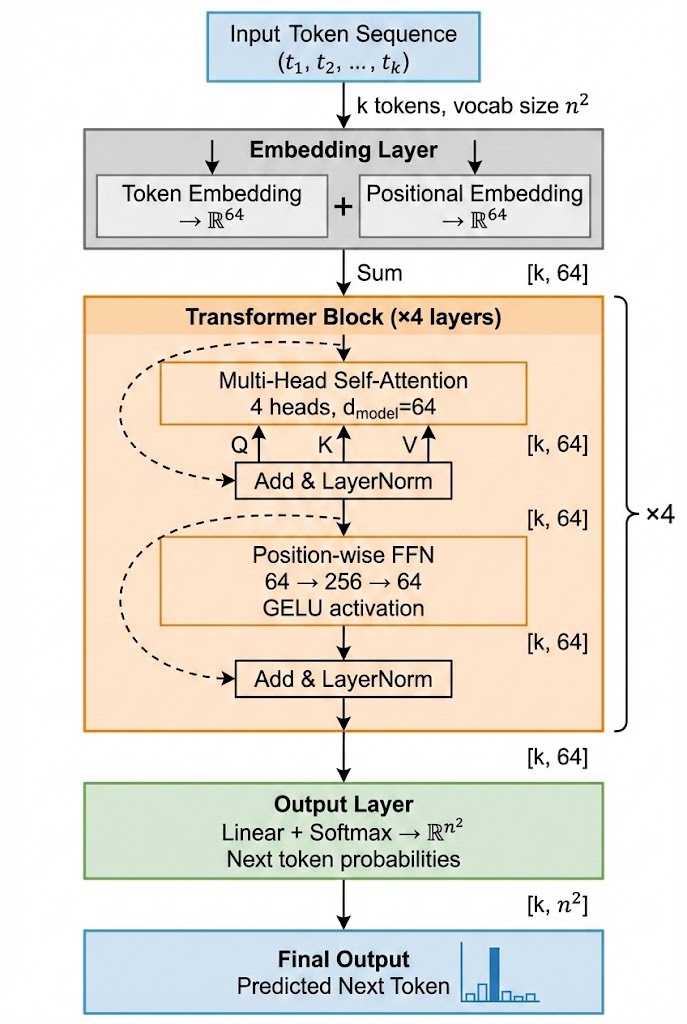
核心思路:论文的核心思路是利用机器学习方法,特别是深度学习中的Transformer和强化学习,来学习No-Three-In-Line问题的模式和策略,从而实现对最优解的近似。PatternBoost Transformer学习旨在通过学习已知的最优解模式来预测更大规模问题的解,而强化学习(PPO)则通过试错的方式学习放置点的策略,以最大化放置点的数量并避免三点共线。
技术框架:论文采用了三种方法进行比较:整数线性规划(ILP)、PatternBoost Transformer学习和强化学习(PPO)。ILP作为基线方法,用于验证其他方法的性能。PatternBoost Transformer学习首先使用小规模网格的最优解作为训练数据,训练Transformer模型,然后使用训练好的模型预测更大规模网格的解。强化学习(PPO)则使用一个智能体在网格中放置点,并通过奖励函数来鼓励放置更多的点并惩罚三点共线的情况。
关键创新:论文的关键创新在于首次将PatternBoost Transformer学习和强化学习(PPO)应用于No-Three-In-Line问题,并系统地比较了这两种AI方法与传统的整数线性规划方法。PatternBoost Transformer学习能够有效地学习已知的最优解模式,并在一定程度上泛化到更大规模的问题。强化学习(PPO)则能够通过试错的方式学习放置点的策略,并在小规模问题上取得较好的效果。
关键设计:PatternBoost Transformer学习的关键设计包括Transformer模型的结构、训练数据的选择和损失函数的设计。强化学习(PPO)的关键设计包括状态空间、动作空间、奖励函数和PPO算法的参数设置。具体而言,PatternBoost使用了标准的Transformer架构,并针对No-Three-In-Line问题设计了特定的输入和输出表示。PPO算法的奖励函数旨在平衡放置点的数量和三点共线的惩罚,以获得有效的策略。
🖼️ 关键图片

📊 实验亮点
实验结果表明,整数线性规划(ILP)在19×19网格内实现了可证明的最优解。PatternBoost在14×14网格内匹配了最优性能,测试损失降低了96%。PPO在10×10网格上实现了完美解,但在11×11网格上失败。这些结果表明,AI方法在小规模问题上具有竞争力,但仍需改进以扩展到更大规模。
🎯 应用场景
该研究成果可应用于组合优化、资源分配、电路设计等领域。通过结合经典优化方法和AI方法,有望解决更大规模、更复杂的组合优化问题。未来,可以将这些方法推广到其他类似的约束满足问题,例如数独、N皇后问题等,具有重要的理论价值和实际意义。
📄 摘要(原文)
The No-Three-In-Line problem asks for the maximum number of points that can be placed on an n by n grid with no three collinear, representing a famous problem in combinatorial geometry. While classical methods like Integer Linear Programming (ILP) guarantee optimal solutions, they face exponential scaling with grid size, and recent advances in machine learning offer promising alternatives for pattern-based approximation. This paper presents the first systematic comparison of classical optimization and AI approaches to this problem, evaluating their performance against traditional algorithms. We apply PatternBoost transformer learning and reinforcement learning (PPO) to this problem for the first time, comparing them against ILP. ILP achieves provably optimal solutions up to 19 by 19 grids, while PatternBoost matches optimal performance up to 14 by 14 grids with 96% test loss reduction. PPO achieves perfect solutions on 10 by 10 grids but fails at 11 by 11 grids, where constraint violations prevent valid configurations. These results demonstrate that classical optimization remains essential for exact solutions while AI methods offer competitive performance on smaller instances, with hybrid approaches presenting the most promising direction for scaling to larger problem sizes.