Redefining Elderly Care with Agentic AI: Challenges and Opportunities
作者: Ruhul Amin Khalil, Kashif Ahmad, Hazrat Ali
分类: cs.AI
发布日期: 2025-07-20
🔗 代码/项目: PROJECT_PAGE
💡 一句话要点
探索Agentic AI在老年护理中的应用:机遇与挑战
🎯 匹配领域: 支柱九:具身大模型 (Embodied Foundation Models)
关键词: Agentic AI 老年护理 大型语言模型 人工智能伦理 个性化服务
📋 核心要点
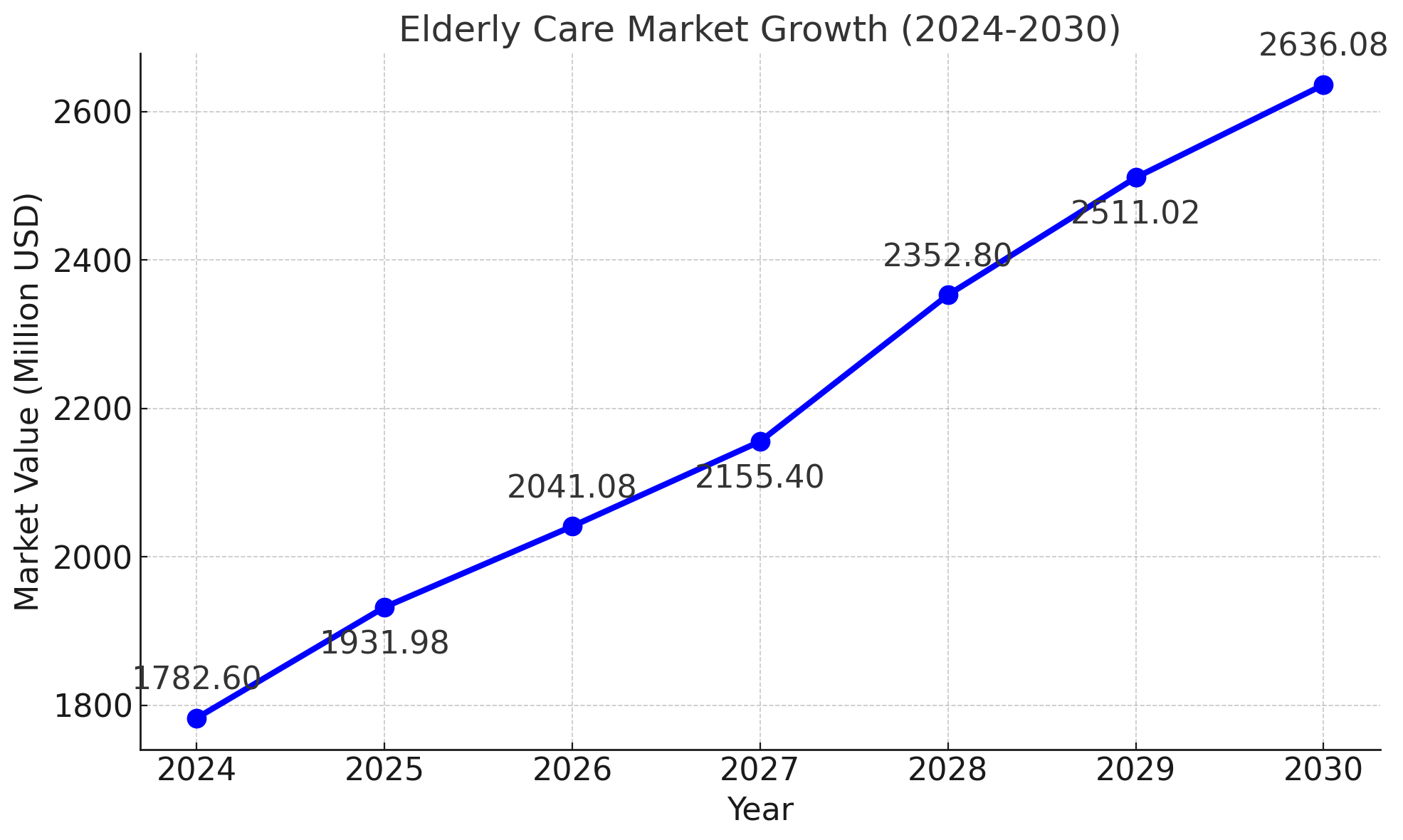
- 现有老年护理方法难以满足日益增长的老龄人口的需求,尤其是在个性化和主动干预方面。
- 本文提出利用Agentic AI,特别是基于LLM的Agentic AI,来增强老年护理的自主性和个性化,从而提高老年人的生活质量。
- 该研究分析了Agentic AI在老年护理中的应用潜力、局限性以及伦理考量,并提供了一个交互式仪表板作为补充资源。
📝 摘要(中文)
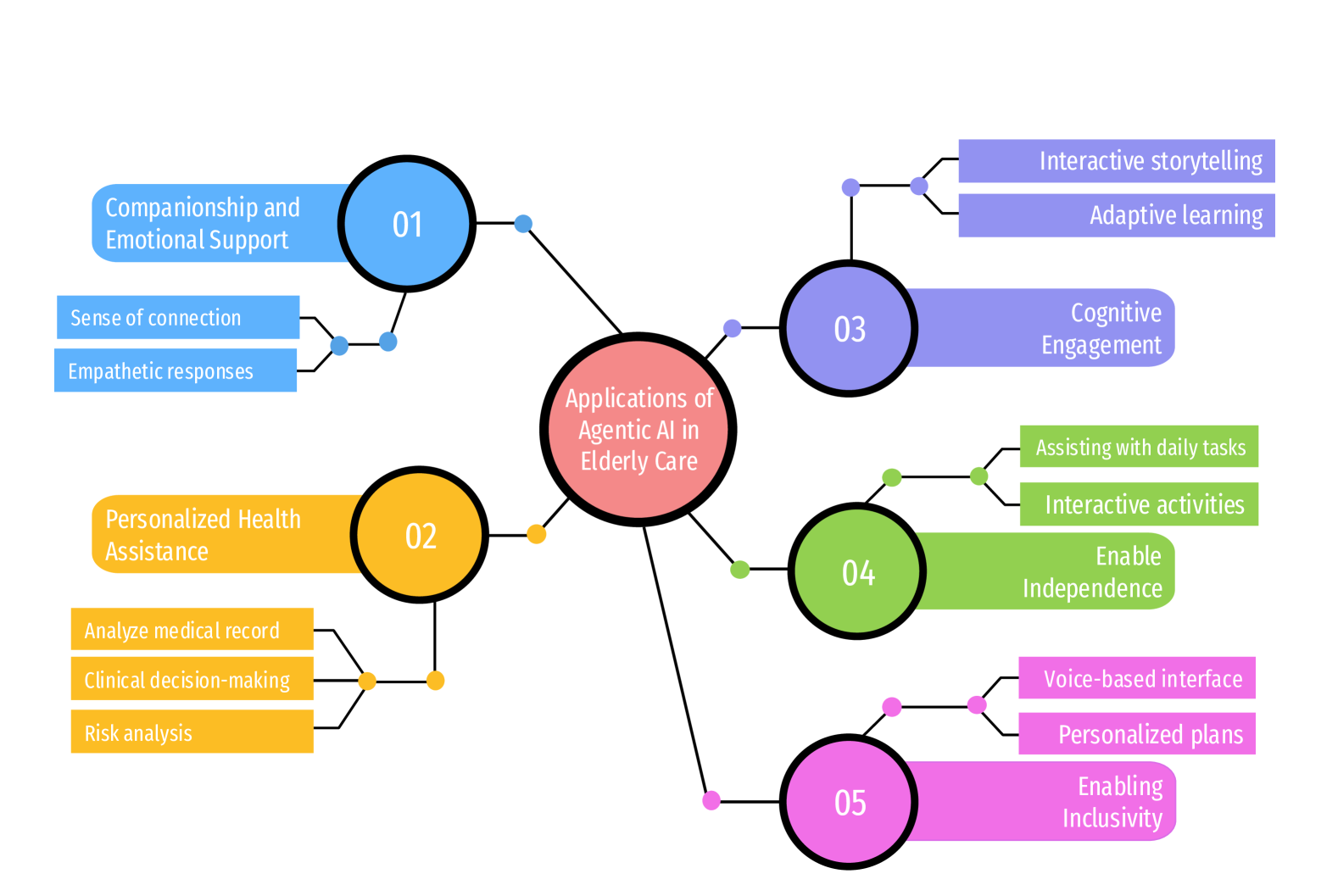
全球人口老龄化需要新的老年护理策略。本文探讨了基于大型语言模型(LLM)的Agentic AI在老年护理中转型的潜力。我们讨论了Agentic AI在老年护理中促进的主动和自主决策。个性化的健康跟踪、认知护理和环境管理,旨在提高老年人的独立性和生活质量,是重要的应用领域。Agentic AI在显著改变老年护理的同时,也引发了对数据隐私和安全、决策独立性和可访问性的深刻担忧。我们分享了关键见解,强调了对道德保障、隐私保护和透明决策的需求。本文旨在平衡讨论Agentic AI的潜力和挑战,并提供关于其在老年护理中负责任使用的见解,使其与老年人的需求和脆弱性相协调。最后,我们确定了学术研究界的优先事项,以实现以人为本的进步以及Agentic AI在老年护理中的整合。据我们所知,目前还没有研究综述Agentic AI在老年护理中的作用。因此,我们通过分析基于LLM的Agentic AI在老年护理中的独特能力、应用和局限性来填补这一文献空白。我们还在https://hazratali.github.io/agenticai/提供了一个配套的交互式仪表板。
🔬 方法详解
问题定义:论文旨在解决当前老年护理体系在应对老龄化社会挑战时存在的不足,包括缺乏个性化服务、难以进行主动健康管理以及对老年人独立性的支持不足。现有方法往往是被动的、反应式的,无法充分利用人工智能技术来提升老年人的生活质量。
核心思路:论文的核心思路是利用Agentic AI的主动性和自主决策能力,为老年人提供更加个性化、智能化的护理服务。Agentic AI能够根据老年人的健康状况、认知能力和环境因素,自主地进行健康跟踪、认知训练和环境管理,从而提高老年人的独立性和生活质量。
技术框架:论文并没有提出一个具体的Agentic AI技术框架,而是探讨了基于LLM的Agentic AI在老年护理中的应用潜力。其设想的框架包含以下模块:数据采集模块(收集老年人的健康数据、认知数据和环境数据)、决策模块(基于LLM进行推理和决策,制定个性化的护理计划)、执行模块(执行护理计划,例如提供健康建议、进行认知训练、调整环境设置)和监控模块(监控护理效果,并根据反馈进行调整)。
关键创新:论文的关键创新在于将Agentic AI的概念引入老年护理领域,并探讨了其潜在的应用价值。与传统的被动式护理方法相比,Agentic AI能够主动地为老年人提供个性化的服务,从而提高老年人的独立性和生活质量。
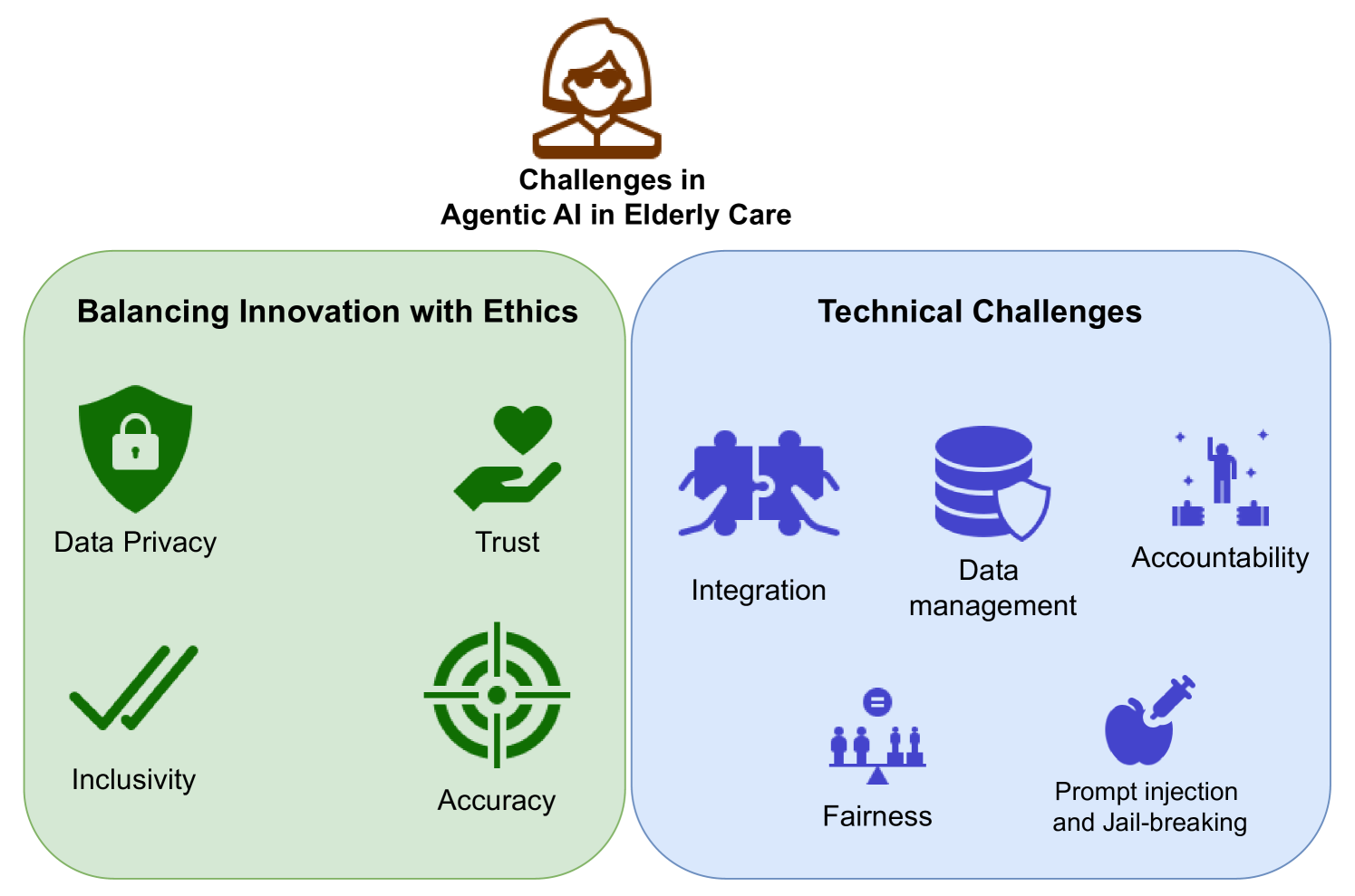
关键设计:论文没有涉及具体的Agentic AI技术细节,而是侧重于探讨其在老年护理中的应用场景和伦理考量。未来的研究可以关注以下关键设计:如何设计有效的LLM提示,使其能够准确地理解老年人的需求并制定合理的护理计划;如何保护老年人的数据隐私和安全;如何确保Agentic AI的决策是透明和可解释的;以及如何评估Agentic AI的护理效果。
🖼️ 关键图片
📊 实验亮点
该论文首次探讨了Agentic AI在老年护理领域的应用潜力,填补了相关研究的空白。论文强调了Agentic AI在个性化健康跟踪、认知护理和环境管理方面的优势,并指出了数据隐私、决策独立性和可访问性等关键伦理问题,为未来的研究和实践提供了重要的指导。
🎯 应用场景
该研究成果可应用于智能家居、远程医疗、虚拟助手等领域,为老年人提供个性化的健康管理、认知训练和社交互动服务。通过Agentic AI,可以显著提升老年人的生活质量,减轻家庭和社会的养老负担,并促进老年人在家安享晚年。
📄 摘要(原文)
The global ageing population necessitates new and emerging strategies for caring for older adults. In this article, we explore the potential for transformation in elderly care through Agentic Artificial Intelligence (AI), powered by Large Language Models (LLMs). We discuss the proactive and autonomous decision-making facilitated by Agentic AI in elderly care. Personalized tracking of health, cognitive care, and environmental management, all aimed at enhancing independence and high-level living for older adults, represents important areas of application. With a potential for significant transformation of elderly care, Agentic AI also raises profound concerns about data privacy and security, decision independence, and access. We share key insights to emphasize the need for ethical safeguards, privacy protections, and transparent decision-making. Our goal in this article is to provide a balanced discussion of both the potential and the challenges associated with Agentic AI, and to provide insights into its responsible use in elderly care, to bring Agentic AI into harmony with the requirements and vulnerabilities specific to the elderly. Finally, we identify the priorities for the academic research communities, to achieve human-centered advancements and integration of Agentic AI in elderly care. To the best of our knowledge, this is no existing study that reviews the role of Agentic AI in elderly care. Hence, we address the literature gap by analyzing the unique capabilities, applications, and limitations of LLM-based Agentic AI in elderly care. We also provide a companion interactive dashboard at https://hazratali.github.io/agenticai/.