Simulation Streams: A Programming Paradigm for Controlling Large Language Models and Building Complex Systems with Generative AI
作者: Peter Sunehag, Joel Z. Leibo
分类: cs.AI, cs.SE
发布日期: 2025-01-30
备注: Technical report accompanying the release of code on GitHub
💡 一句话要点
提出Simulation Streams编程范式,用于高效控制大语言模型并构建复杂生成式AI系统。
🎯 匹配领域: 支柱二:RL算法与架构 (RL & Architecture) 支柱九:具身大模型 (Embodied Foundation Models)
关键词: 大语言模型 仿真模拟 编程范式 智能体 实体组件系统 状态驱动 复杂系统 生成式AI
📋 核心要点
- 现有方法难以有效控制LLM在复杂动态模拟中的行为,尤其是在一致性、信息选择和规则执行方面。
- Simulation Streams通过状态驱动和ECS架构,将LLM聚焦于特定任务,并保持上下文流的分布内。
- 通过市场经济、社交互动和强化学习等案例,验证了该方法在复杂场景中的有效性和一致性。
📝 摘要(中文)
本文提出了一种名为Simulation Streams的编程范式,旨在高效地控制和利用大型语言模型(LLM)进行复杂的、动态的模拟和智能体工作流程。其主要目标是创建一个最小程度干预的框架,该框架能够利用LLM的智能体能力,同时解决其在保持一致性、选择性地忽略/包含信息以及执行严格世界规则方面的局限性。Simulation Streams通过一种基于状态的方法实现这一点,其中变量通过“算子”按顺序步骤进行修改,以循环格式生成输出,并遵守状态变量的一致规则。这种方法使LLM专注于定义的任务,同时旨在使上下文流保持“分布内”。该方法结合了实体-组件-系统(ECS)架构,以更直观的方式编写程序,从而促进工作流程在不同组件和实体之间的重用。这种ECS方法增强了输出流的模块化,从而允许复杂的、多实体模拟,同时保持格式一致性、信息控制和规则执行。它由一个自定义编辑器支持,该编辑器有助于创建、运行和分析模拟。通过一个正在进行的市场经济模拟、一个三个角色在公园玩接球游戏的社交模拟以及一套经典的强化学习基准任务,展示了simulation streams的多功能性。这些例子展示了Simulation Streams处理复杂、不断演变的场景(超过数百到数千次迭代)的能力,促进了不同智能体工作流程和模型之间的比较,并保持了LLM驱动模拟的一致性和持续有趣的进展。
🔬 方法详解
问题定义:现有方法在使用LLM进行复杂系统建模时,面临着LLM难以保持状态一致性、无法选择性地忽略或包含信息、以及难以强制执行严格世界规则等问题。这些问题限制了LLM在复杂、动态环境中的应用。
核心思路:Simulation Streams的核心思路是将LLM视为一个算子,通过状态变量的迭代更新来驱动模拟。通过定义清晰的状态变量和算子,可以更好地控制LLM的行为,并确保模拟的一致性和可控性。同时,采用ECS架构来提高代码的模块化和可重用性。
技术框架:Simulation Streams的技术框架主要包括以下几个部分:1) 状态变量:定义模拟中的各种实体和属性。2) 算子:使用LLM来更新状态变量。3) ECS架构:将实体、组件和系统分离,提高代码的模块化和可重用性。4) 自定义编辑器:用于创建、运行和分析模拟。整个流程是状态变量初始化,然后通过算子迭代更新状态变量,最终输出模拟结果。
关键创新:Simulation Streams的关键创新在于其编程范式,它将LLM视为一个可控的算子,并通过状态变量的迭代更新来驱动模拟。这种方法可以更好地控制LLM的行为,并确保模拟的一致性和可控性。此外,ECS架构的使用也提高了代码的模块化和可重用性。
关键设计:Simulation Streams的关键设计包括:1) 状态变量的定义:需要仔细定义模拟中的各种实体和属性,并确保它们能够反映模拟的真实状态。2) 算子的设计:需要设计合适的算子来更新状态变量,并确保它们能够利用LLM的智能体能力。3) ECS架构的实现:需要合理地分离实体、组件和系统,并确保它们能够协同工作。
🖼️ 关键图片

📊 实验亮点
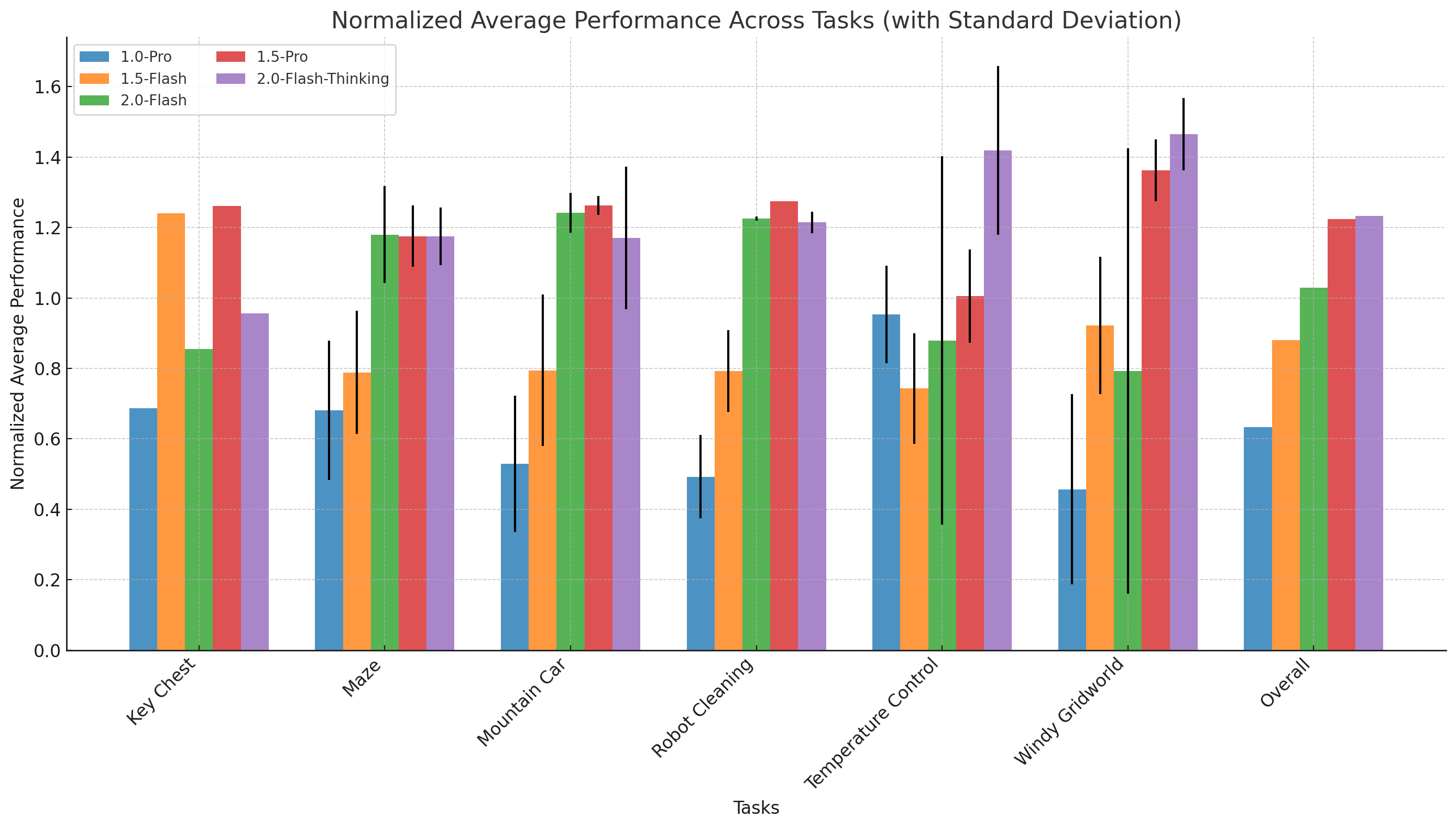
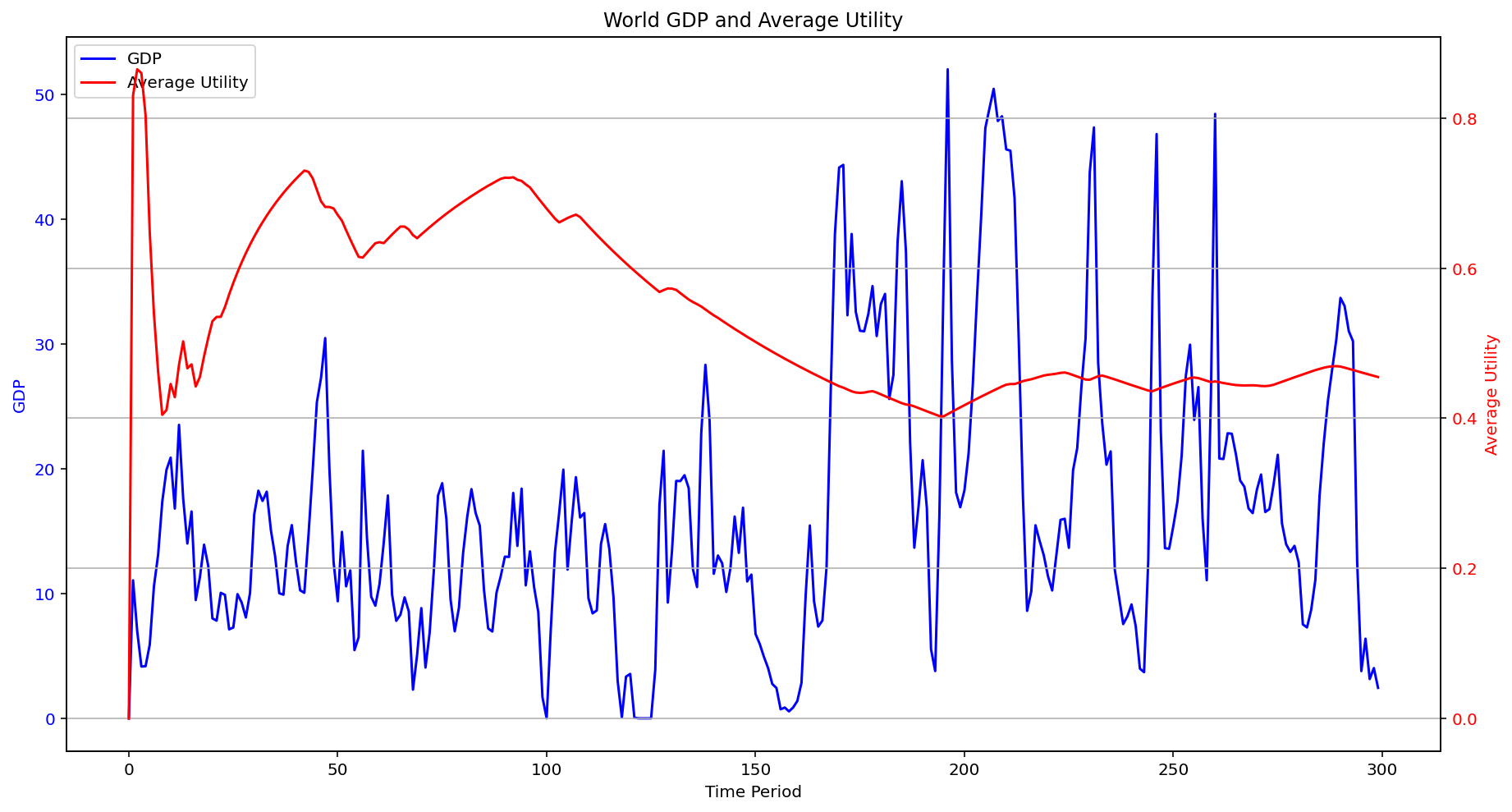
论文通过市场经济模拟、社交互动模拟和强化学习基准测试等实验,验证了Simulation Streams的有效性。实验结果表明,该方法能够处理复杂、动态的场景,并保持模拟的一致性和可控性。此外,该方法还能够促进不同智能体工作流程和模型之间的比较。
🎯 应用场景
Simulation Streams可应用于各种复杂系统的建模和仿真,例如经济模型、社会行为模型、游戏AI等。它能够帮助研究人员更好地理解和预测复杂系统的行为,并为决策提供支持。该方法在智能体设计、虚拟世界构建和复杂系统分析等领域具有广泛的应用前景。
📄 摘要(原文)
We introduce Simulation Streams, a programming paradigm designed to efficiently control and leverage Large Language Models (LLMs) for complex, dynamic simulations and agentic workflows. Our primary goal is to create a minimally interfering framework that harnesses the agentic abilities of LLMs while addressing their limitations in maintaining consistency, selectively ignoring/including information, and enforcing strict world rules. Simulation Streams achieves this through a state-based approach where variables are modified in sequential steps by "operators," producing output on a recurring format and adhering to consistent rules for state variables. This approach focus the LLMs on defined tasks, while aiming to have the context stream remain "in-distribution". The approach incorporates an Entity-Component-System (ECS) architecture to write programs in a more intuitive manner, facilitating reuse of workflows across different components and entities. This ECS approach enhances the modularity of the output stream, allowing for complex, multi-entity simulations while maintaining format consistency, information control, and rule enforcement. It is supported by a custom editor that aids in creating, running, and analyzing simulations. We demonstrate the versatility of simulation streams through an illustrative example of an ongoing market economy simulation, a social simulation of three characters playing a game of catch in a park and a suite of classical reinforcement learning benchmark tasks. These examples showcase Simulation Streams' ability to handle complex, evolving scenarios over 100s-1000s of iterations, facilitate comparisons between different agent workflows and models, and maintain consistency and continued interesting developments in LLM-driven simulations.