Large Physics Models: Towards a collaborative approach with Large Language Models and Foundation Models
作者: Kristian G. Barman, Sascha Caron, Emily Sullivan, Henk W. de Regt, Roberto Ruiz de Austri, Mieke Boon, Michael Färber, Stefan Fröse, Faegheh Hasibi, Andreas Ipp, Rukshak Kapoor, Gregor Kasieczka, Daniel Kostić, Michael Krämer, Tobias Golling, Luis G. Lopez, Jesus Marco, Sydney Otten, Pawel Pawlowski, Pietro Vischia, Erik Weber, Christoph Weniger
分类: physics.data-an, cs.AI, hep-ph, physics.comp-ph, physics.hist-ph
发布日期: 2025-01-09
期刊: Eur. Phys. J. C 85, 1066 (2025)
DOI: 10.1140/epjc/s10052-025-14707-8
💡 一句话要点
探索物理学专用大规模AI模型:结合大型语言模型与基础模型
🎯 匹配领域: 支柱一:机器人控制 (Robot Control) 支柱九:具身大模型 (Embodied Foundation Models)
关键词: 大型物理模型 大型语言模型 基础模型 物理学研究 跨学科合作
📋 核心要点
- 现有商业LLM在处理物理学特定任务时存在局限性,无法充分满足物理学研究的专业需求。
- 论文提出构建物理学专用大规模AI模型(LPMs),通过跨学科合作,整合物理文本、数学公式和实验数据。
- LPMs的开发、评估和哲学反思是三大支柱,旨在提升模型准确性、可靠性,并深入探讨其科学和社会影响。
📝 摘要(中文)
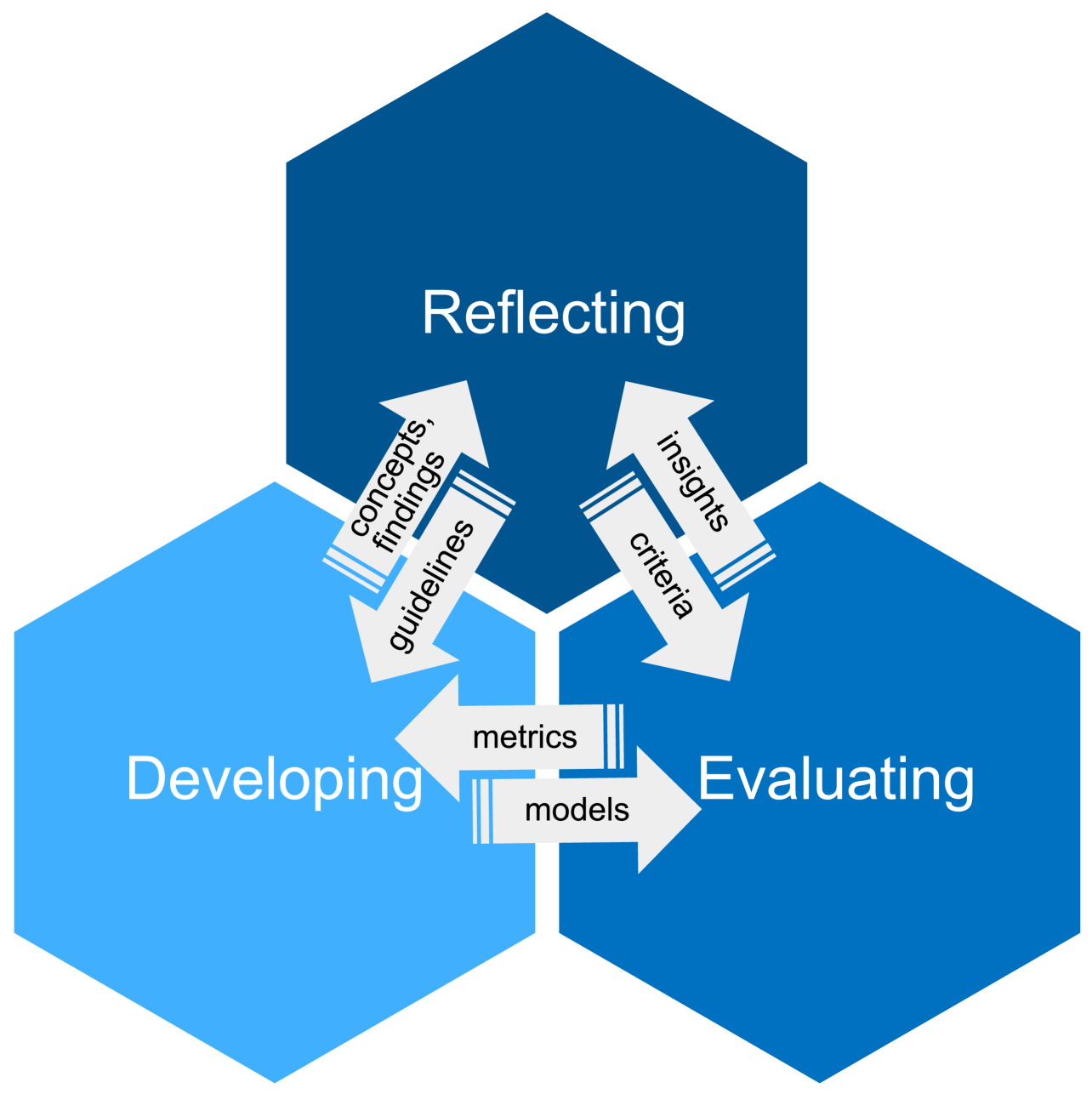
本文探讨了开发和评估物理学专用大规模AI模型(Large Physics Models, LPMs)的思路和潜在路线图。这些模型基于大型语言模型等基础模型,经过训练以满足物理学研究的需求。LPMs可以独立运行,也可以作为集成框架的一部分,该框架可以包含用于数学操作的符号推理模块、用于分析特定实验和模拟数据的框架,以及用于综合理论和科学文献的机制。本文首先探讨了物理学界是否应该积极开发和改进专用模型,而不是仅仅依赖商业LLM。然后,概述了如何通过物理学、计算机科学和科学哲学领域专家的跨学科合作来实现LPM。为了有效地整合这些模型,确定了三个关键支柱:开发、评估和哲学反思。开发侧重于构建能够处理物理文本、数学公式和各种物理数据的模型。评估通过测试和基准测试来评估准确性和可靠性。最后,哲学反思包括分析LLM在物理学中的更广泛影响,包括它们产生新的科学理解的潜力以及研究中可能出现的新型协作动态。受粒子物理学实验合作组织结构的启发,提出了类似跨学科和协作的方法来构建和改进大型物理模型。该路线图提供了具体目标,定义了实现这些目标的途径,并确定了实现物理学专用大规模AI模型必须解决的挑战。
🔬 方法详解
问题定义:现有的大型语言模型(LLMs)虽然在通用领域表现出色,但在处理物理学领域特定的任务时,面临着诸多挑战。例如,它们可能难以理解复杂的物理公式、无法有效地分析实验数据,并且缺乏对物理学理论的深入理解。因此,物理学研究人员需要一种专门针对物理学领域定制的大规模AI模型,以提高研究效率和发现新知识的能力。
核心思路:本文的核心思路是借鉴粒子物理学实验合作的模式,通过跨学科合作的方式,构建和改进物理学专用的大规模AI模型(LPMs)。这种方法强调物理学家、计算机科学家和科学哲学家的紧密合作,以确保LPMs能够准确地反映物理学的知识体系,并能够有效地解决物理学研究中的实际问题。
技术框架:LPMs的技术框架包括以下几个主要模块:1) 数据处理模块:负责处理物理文本、数学公式和实验数据等不同类型的数据;2) 模型训练模块:利用大型语言模型等基础模型,进行物理学领域的预训练和微调;3) 符号推理模块:用于进行数学操作和逻辑推理;4) 实验数据分析模块:用于分析特定的实验和模拟数据;5) 理论综合模块:用于综合已有的理论和科学文献,并提出新的理论假设。
关键创新:本文最重要的技术创新点在于提出了构建物理学专用大规模AI模型的概念,并强调了跨学科合作的重要性。与传统的AI模型开发方法不同,本文强调了物理学家的主导作用,以确保LPMs能够准确地反映物理学的知识体系,并能够有效地解决物理学研究中的实际问题。
关键设计:LPMs的关键设计包括以下几个方面:1) 数据集的构建:需要构建包含大量物理文本、数学公式和实验数据的专用数据集;2) 模型架构的选择:需要选择适合物理学领域任务的模型架构,例如Transformer模型或图神经网络;3) 训练策略的设计:需要设计有效的训练策略,以提高模型的准确性和泛化能力;4) 评估指标的选择:需要选择能够反映模型在物理学领域任务中表现的评估指标。
🖼️ 关键图片

📊 实验亮点
本文提出了构建物理学专用大规模AI模型(LPMs)的路线图,强调了跨学科合作的重要性,并详细阐述了LPMs的技术框架和关键设计。虽然文中没有提供具体的性能数据,但其提出的方法为未来物理学领域AI模型的发展方向提供了重要的指导。
🎯 应用场景
该研究成果潜在的应用领域包括:加速物理学研究、辅助物理学教学、自动化实验设计与分析、以及发现新的物理规律。通过构建物理学专用的大规模AI模型,可以极大地提高物理学研究的效率和创新能力,并为解决能源、材料等领域的重大挑战提供新的思路。
📄 摘要(原文)
This paper explores ideas and provides a potential roadmap for the development and evaluation of physics-specific large-scale AI models, which we call Large Physics Models (LPMs). These models, based on foundation models such as Large Language Models (LLMs) - trained on broad data - are tailored to address the demands of physics research. LPMs can function independently or as part of an integrated framework. This framework can incorporate specialized tools, including symbolic reasoning modules for mathematical manipulations, frameworks to analyse specific experimental and simulated data, and mechanisms for synthesizing theories and scientific literature. We begin by examining whether the physics community should actively develop and refine dedicated models, rather than relying solely on commercial LLMs. We then outline how LPMs can be realized through interdisciplinary collaboration among experts in physics, computer science, and philosophy of science. To integrate these models effectively, we identify three key pillars: Development, Evaluation, and Philosophical Reflection. Development focuses on constructing models capable of processing physics texts, mathematical formulations, and diverse physical data. Evaluation assesses accuracy and reliability by testing and benchmarking. Finally, Philosophical Reflection encompasses the analysis of broader implications of LLMs in physics, including their potential to generate new scientific understanding and what novel collaboration dynamics might arise in research. Inspired by the organizational structure of experimental collaborations in particle physics, we propose a similarly interdisciplinary and collaborative approach to building and refining Large Physics Models. This roadmap provides specific objectives, defines pathways to achieve them, and identifies challenges that must be addressed to realise physics-specific large scale AI models.