Polymetis:Large Language Modeling for Multiple Material Domains
作者: Chao Huang, Huichen Xiao, Chen Chen, Chunyan Chen, Yi Zhao, Shiyu Du, Yiming Zhang, He Sha, Ruixin Gu
分类: cs.AI
发布日期: 2024-11-13
💡 一句话要点
提出Polymetis材料领域大语言模型,提升材料科学研究效率。
🎯 匹配领域: 支柱九:具身大模型 (Embodied Foundation Models)
关键词: 材料科学 大语言模型 知识提取 智能问答 GLM4-9B IELM 自然语言处理
📋 核心要点
- 传统材料科学研究依赖手动搜索,效率低下,难以应对快速增长的知识。
- Polymetis模型利用IELM从科学文本中自动提取结构化知识,并注入GLM4-9B模型。
- 通过增强的提示策略,Polymetis模型能够提供更全面、更有条理的材料科学知识解答。
📝 摘要(中文)
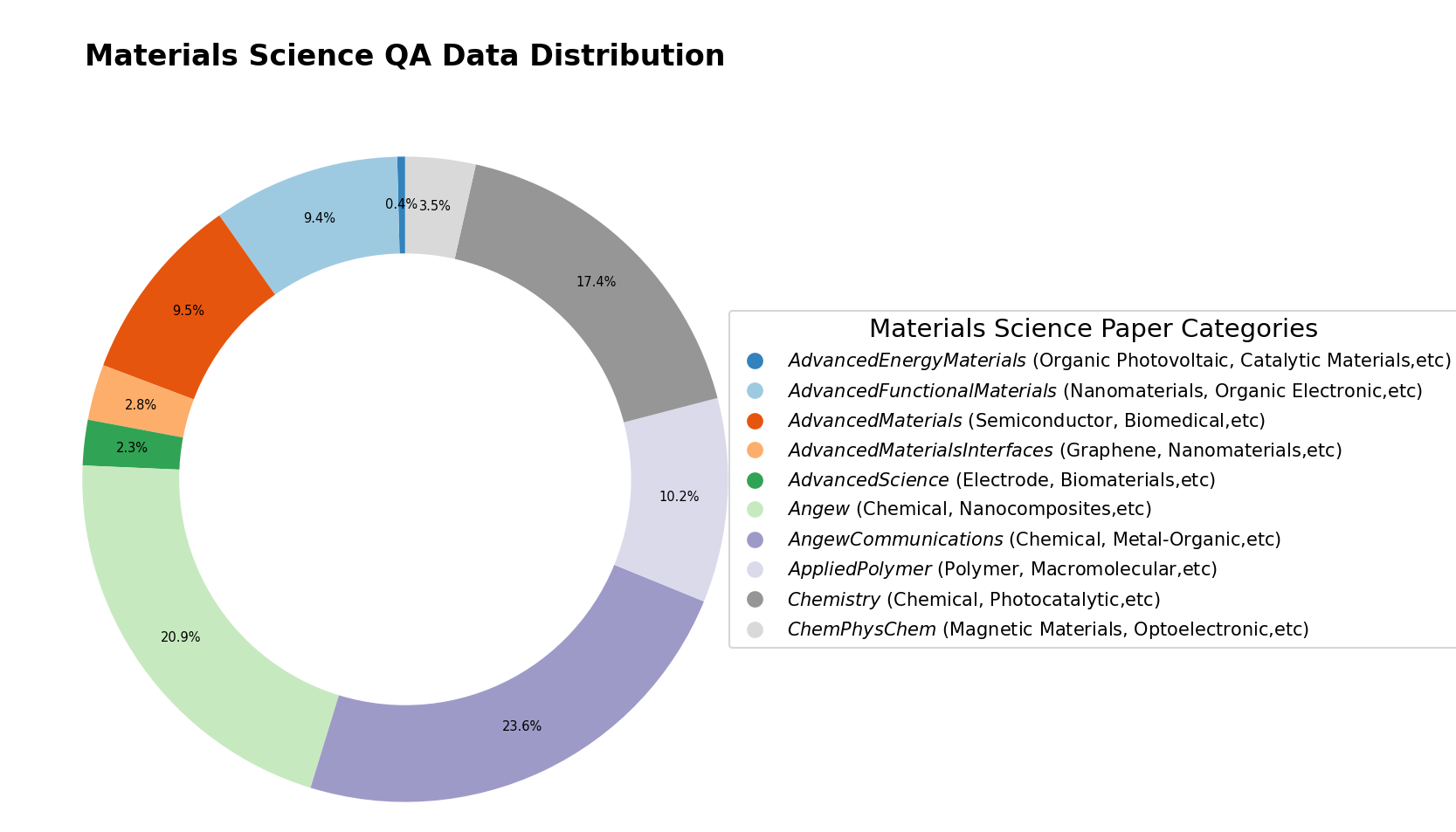
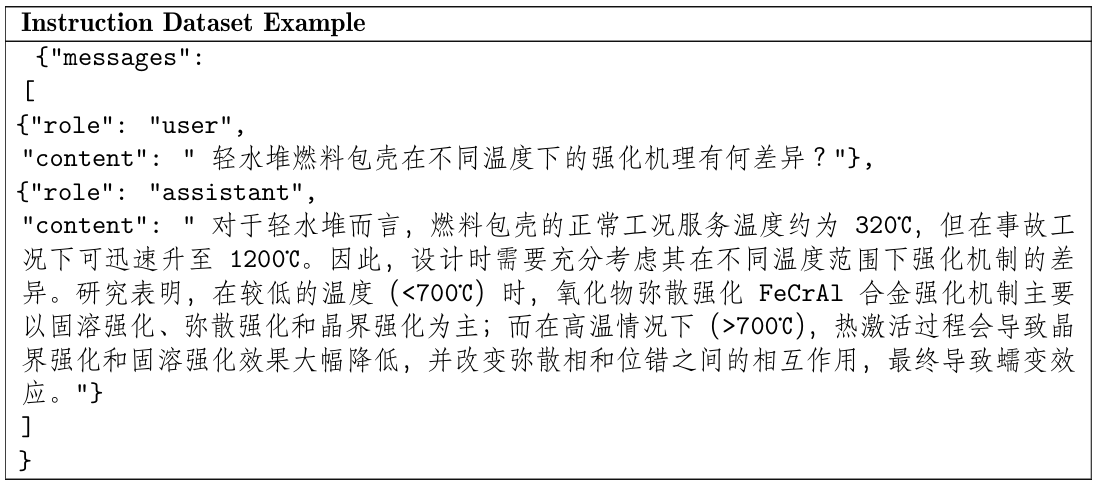
随着大语言模型在各个领域的应用不断扩展,材料科学也迎来了人工智能驱动创新的机会。传统上依赖手动搜索材料科学相关信息的方式,现在正利用人工智能技术作为辅助工具来提高材料科学研究的效率。为了加速研究人员的知识获取,并为材料科学研究提供智能决策支持,本文提出了一个针对多种材料领域的大语言模型Polymetis,旨在提供材料领域高度专业的知识解答,涵盖能源材料、功能材料、合金材料、物理化学、生物等材料方向。该模型使用了约200万条材料知识指令的数据集。在构建数据集的过程中,我们开发了智能提取大模型(IELM),专门用于从科学文本中提取和形成结构化知识,避免了大量需要手动标注的成本,提高了效率。我们将这些数据注入到GLM4-9B模型中进行学习,以增强其在各种材料领域的推理能力。此外,我们还引入了增强的提示策略,以确保模型的答案更有条理和全面,为材料科学探索的各种需求提供高效和全面的智能支持,并促进材料科学的发展。
🔬 方法详解
问题定义:材料科学研究面临信息爆炸的挑战,传统的手动搜索方法效率低下,难以快速获取和整合所需知识。现有方法缺乏针对材料领域知识的专业化语言模型,无法有效支持研究人员的智能决策。
核心思路:论文的核心思路是构建一个专门针对材料科学领域的大语言模型Polymetis,通过大规模的材料知识学习,提升模型在材料领域的推理和问答能力。利用智能提取大模型(IELM)自动构建高质量的训练数据集,降低人工标注成本,提高数据构建效率。
技术框架:Polymetis的整体框架包括以下几个主要阶段:1) 使用IELM从科学文本中自动提取结构化材料知识;2) 构建包含约200万条材料知识指令的数据集;3) 将数据集注入到GLM4-9B模型中进行训练;4) 采用增强的提示策略,优化模型输出的质量和全面性。
关键创新:论文的关键创新在于:1) 提出了IELM,用于从科学文本中自动提取结构化知识,显著降低了数据构建成本;2) 构建了大规模的材料知识数据集,为Polymetis模型的训练提供了高质量的数据基础;3) 采用了增强的提示策略,提升了模型输出的质量和全面性。
关键设计:IELM的具体实现细节未知,但其核心功能是从非结构化的科学文本中提取出结构化的材料知识。增强的提示策略的具体内容也未知,但其目标是引导模型生成更全面、更有条理的答案。GLM4-9B模型是基础语言模型,论文在此基础上进行了领域知识的注入和微调。
🖼️ 关键图片

📊 实验亮点
论文构建了包含约200万条材料知识指令的大规模数据集,并将其注入到GLM4-9B模型中进行训练,显著提升了模型在材料领域的推理能力。虽然论文中没有给出具体的性能数据和对比基线,但可以预期Polymetis模型在材料科学问答任务上的表现优于通用大语言模型。
🎯 应用场景
Polymetis模型可应用于材料科学研究的多个方面,例如:辅助材料设计、加速新材料发现、提供材料性能预测、支持科研人员的知识学习和决策。该模型有望显著提升材料科学研究的效率和创新能力,推动相关领域的发展。未来,Polymetis可以扩展到更多材料领域,并与其他AI技术相结合,实现更智能化的材料研究。
📄 摘要(原文)
As the application of large language models in various fields continues to expand, materials science also ushers in opportunities for AI-driven innovation. The traditional way of relying on manual search for materials science-related information is now using artificial intelligence technology as an auxiliary tool to improve the efficiency of materials science research. To accelerate researchers' knowledge acquisition and intelligent decision-making support in materials science research, this paper proposes a large language model Polymetis model for a variety of materials fields, aiming to provide highly professional knowledge answers in the field of materials, covering energy materials, functional materials, alloy materials, physical chemistry, biology, and other material directions. The model uses a dataset of about 2 million material knowledge instructions, and in the process of building the dataset, we developed the Intelligent Extraction Large Model (IELM), which is specially used to extract and form structured knowledge from scientific texts, avoiding a large number of costs that need to be manually annotated, and improving efficiency. We inject this data into the GLM4-9B model for learning to enhance its inference capabilities in a variety of material domains. In addition, we have introduced enhanced prompt strategies to ensure that the answers to the model are more organized and comprehensive, providing efficient and comprehensive intelligent support for the diverse needs of materials science exploration, and promoting the development of material science.