AutoFLUKA: A Large Language Model Based Framework for Automating Monte Carlo Simulations in FLUKA
作者: Zavier Ndum Ndum, Jian Tao, John Ford, Yang Liu
分类: cs.AI, hep-ex, nucl-ex, physics.comp-ph, physics.med-ph
发布日期: 2024-10-19
备注: 58 pages including text, figures, references and appendices
💡 一句话要点
AutoFLUKA:基于大语言模型的FLUKA蒙特卡洛模拟自动化框架
🎯 匹配领域: 支柱九:具身大模型 (Embodied Foundation Models)
关键词: 蒙特卡洛模拟 FLUKA 大语言模型 AI Agent 自动化 LangChain 检索增强生成
📋 核心要点
- FLUKA蒙特卡洛模拟在自动化和集成方面存在局限,传统方法依赖人工干预,效率低且易出错。
- AutoFLUKA利用大语言模型和AI agent,通过自然语言处理和自主推理,实现FLUKA模拟工作流程的自动化。
- 案例研究表明,AutoFLUKA能有效处理通用和特定领域问题,简化流程,并具备良好的可扩展性和灵活性。
📝 摘要(中文)
蒙特卡洛(MC)模拟,特别是使用FLUKA进行的模拟,对于在科学和工程领域复制真实场景至关重要。尽管FLUKA具有鲁棒性和通用性,但在自动化和与外部后处理工具集成方面面临重大限制,导致工作流程学习曲线陡峭,耗时且容易出现人为错误。传统方法涉及使用shell和Python脚本、MATLAB和Microsoft Excel,需要大量人工干预且缺乏灵活性,增加了复杂性。本研究探讨了大型语言模型(LLM)和AI agent解决这些限制的潜力。AI agent将自然语言处理与自主推理相结合,用于决策和自适应规划,使其成为自动化的理想选择。我们介绍了AutoFLUKA,这是一个使用LangChain Python框架开发的AI agent应用,用于自动化FLUKA中典型的MC模拟工作流程。AutoFLUKA可以修改FLUKA输入文件,执行模拟,并高效地处理结果以进行可视化,从而显著减少人工劳动和错误。我们的案例研究表明,AutoFLUKA可以处理通用和特定领域的案例,例如微剂量学,并简化自动化工作流程,展示了其可扩展性和灵活性。该研究还强调了检索增强生成(RAG)工具作为FLUKA虚拟助手进一步提高用户体验、时间和效率的潜力。总之,AutoFLUKA代表了自动化MC模拟工作流程的重大进步,为固有限制提供了一个强大的解决方案。这项创新不仅节省了时间和资源,而且为高能物理、医学物理、核工程空间和环境科学的研究和开发开辟了新的范例。
🔬 方法详解
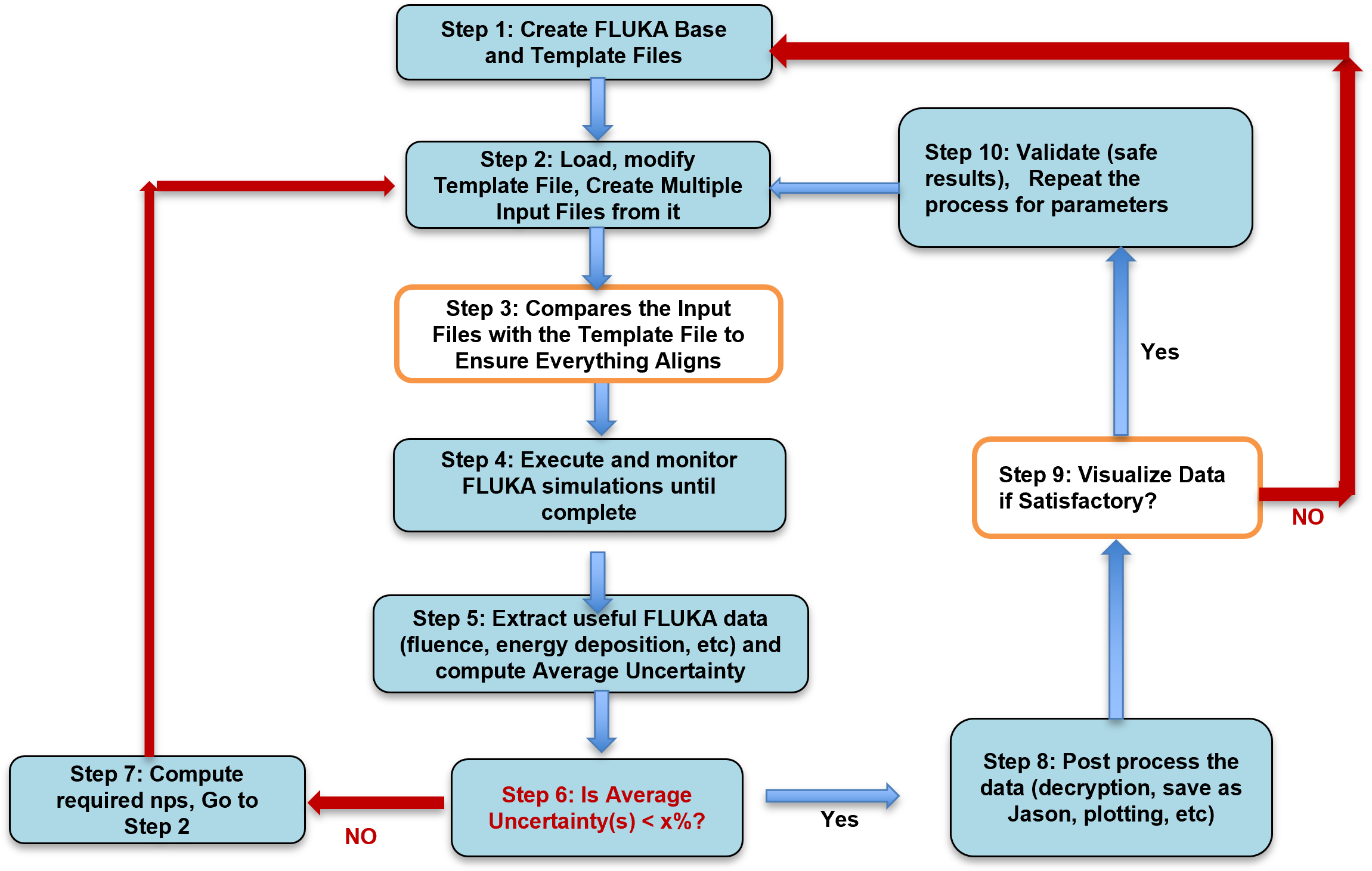
问题定义:FLUKA蒙特卡洛模拟在科学和工程领域应用广泛,但其自动化程度低,与外部工具集成困难,导致工作流程复杂、耗时且容易出错。现有方法依赖于脚本和手动操作,缺乏灵活性和可扩展性,难以适应不断变化的需求。
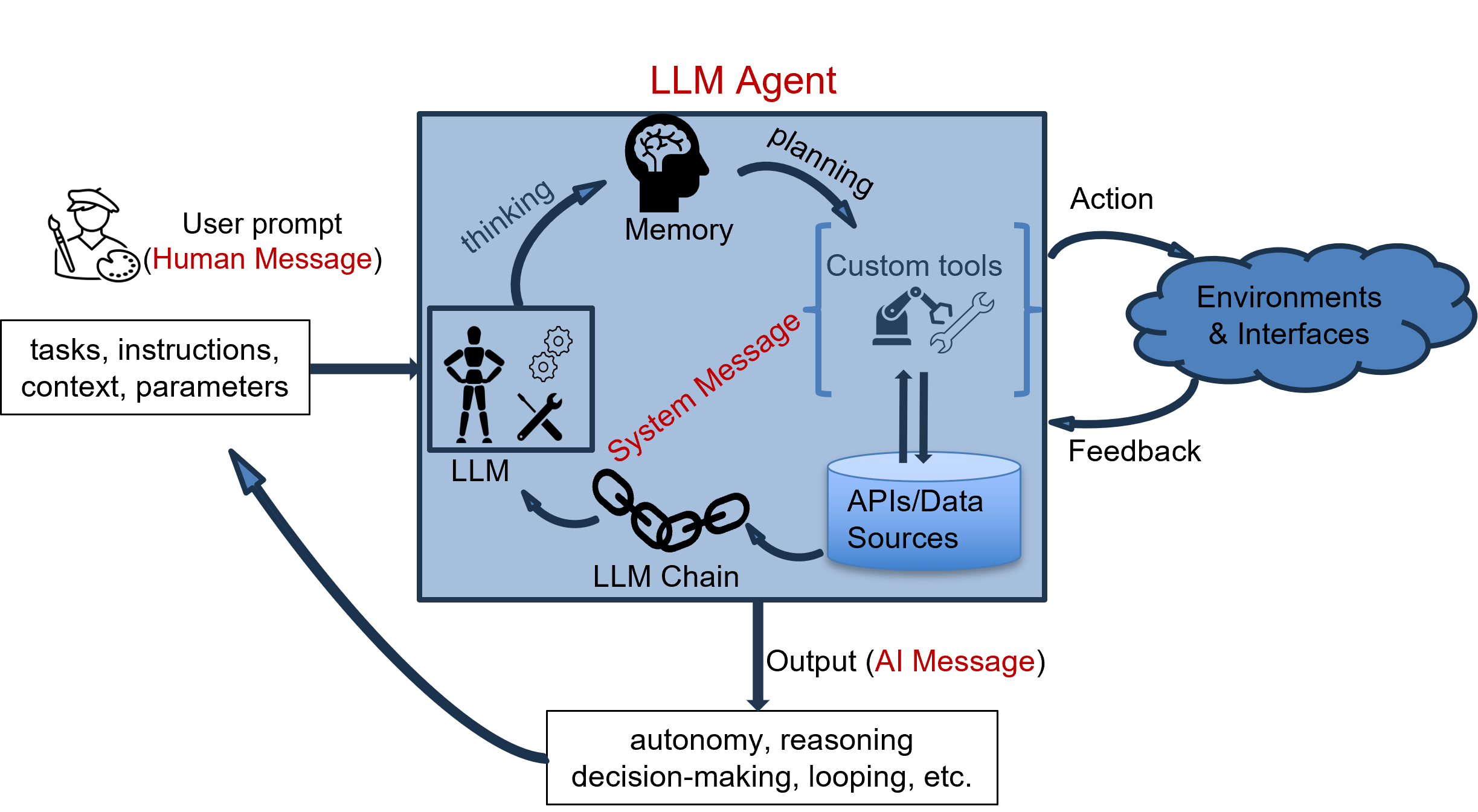
核心思路:论文的核心思路是利用大语言模型(LLM)和AI agent的强大能力,构建一个自动化框架AutoFLUKA,以简化和加速FLUKA模拟工作流程。通过自然语言处理和自主推理,AI agent能够理解用户意图,自动修改输入文件、执行模拟并处理结果,从而减少人工干预和错误。
技术框架:AutoFLUKA基于LangChain Python框架构建,包含以下主要模块:1) 输入文件解析模块:用于解析FLUKA输入文件,提取关键参数和设置;2) AI agent模块:利用LLM进行决策和规划,自动修改输入文件,控制模拟执行;3) 模拟执行模块:调用FLUKA执行模拟;4) 结果处理模块:自动处理模拟结果,生成可视化报告;5) RAG工具:作为虚拟助手,提供FLUKA相关知识和帮助。
关键创新:AutoFLUKA的关键创新在于将大语言模型和AI agent引入FLUKA模拟流程,实现了端到端的自动化。与传统方法相比,AutoFLUKA无需编写大量脚本,能够根据用户需求自动调整模拟参数,并提供智能化的结果分析和可视化。此外,RAG工具的引入进一步提升了用户体验和效率。
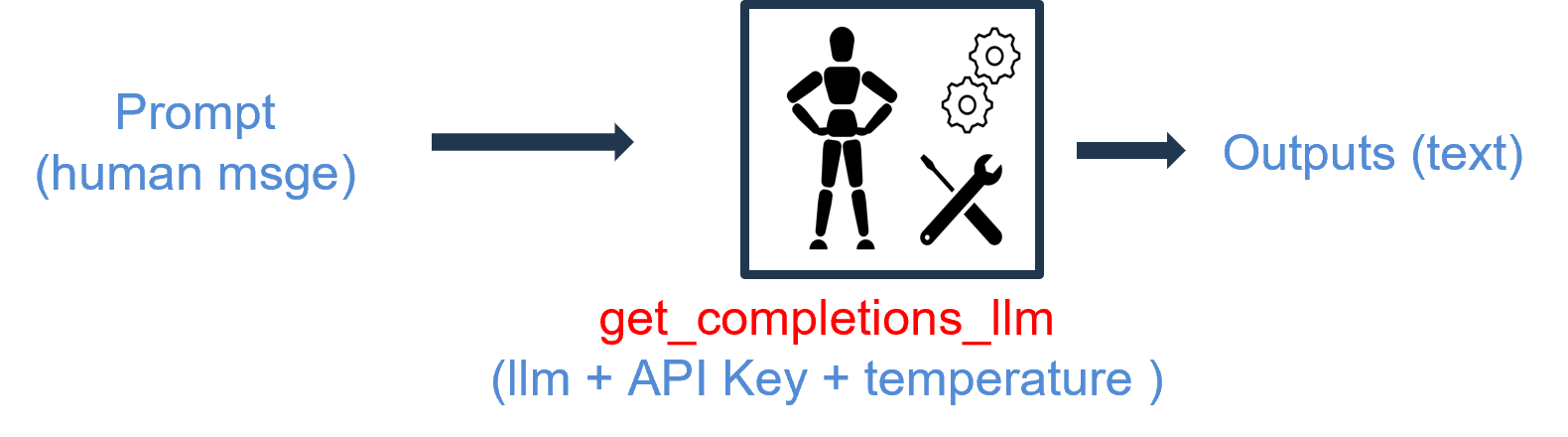
关键设计:AutoFLUKA的关键设计包括:1) 使用LangChain框架构建AI agent,实现自然语言理解和自主推理;2) 设计了专门的提示工程(Prompt Engineering),指导LLM进行FLUKA输入文件修改和模拟控制;3) 采用了检索增强生成(RAG)技术,构建FLUKA知识库,为用户提供实时帮助;4) 针对不同应用场景,设计了可定制的模拟参数和结果处理流程。
🖼️ 关键图片
📊 实验亮点
案例研究表明,AutoFLUKA能够成功处理通用和特定领域的FLUKA模拟任务,例如微剂量学。通过自动化工作流程,AutoFLUKA显著减少了人工干预,提高了模拟效率,并降低了人为错误的风险。此外,RAG工具的引入进一步提升了用户体验,使得FLUKA的使用更加便捷。
🎯 应用场景
AutoFLUKA可广泛应用于高能物理、医学物理、核工程、空间科学和环境科学等领域。它能够显著减少蒙特卡洛模拟所需的人工劳动和时间,提高研究效率,并降低人为错误的风险。此外,AutoFLUKA还能够促进FLUKA在更广泛的用户群体中的应用,加速相关领域的科学发现和技术创新。
📄 摘要(原文)
Monte Carlo (MC) simulations, particularly using FLUKA, are essential for replicating real-world scenarios across scientific and engineering fields. Despite the robustness and versatility, FLUKA faces significant limitations in automation and integration with external post-processing tools, leading to workflows with a steep learning curve, which are time-consuming and prone to human errors. Traditional methods involving the use of shell and Python scripts, MATLAB, and Microsoft Excel require extensive manual intervention and lack flexibility, adding complexity to evolving scenarios. This study explores the potential of Large Language Models (LLMs) and AI agents to address these limitations. AI agents, integrate natural language processing with autonomous reasoning for decision-making and adaptive planning, making them ideal for automation. We introduce AutoFLUKA, an AI agent application developed using the LangChain Python Framework to automate typical MC simulation workflows in FLUKA. AutoFLUKA can modify FLUKA input files, execute simulations, and efficiently process results for visualization, significantly reducing human labor and error. Our case studies demonstrate that AutoFLUKA can handle both generalized and domain-specific cases, such as Microdosimetry, with an streamlined automated workflow, showcasing its scalability and flexibility. The study also highlights the potential of Retrieval Augmentation Generation (RAG) tools to act as virtual assistants for FLUKA, further improving user experience, time and efficiency. In conclusion, AutoFLUKA represents a significant advancement in automating MC simulation workflows, offering a robust solution to the inherent limitations. This innovation not only saves time and resources but also opens new paradigms for research and development in high energy physics, medical physics, nuclear engineering space and environmental science.