Creating a Gen-AI based Track and Trace Assistant MVP (SuperTracy) for PostNL
作者: Mohammad Reshadati
分类: cs.AI
发布日期: 2024-09-04
💡 一句话要点
为PostNL构建基于生成式AI的包裹追踪助手MVP(SuperTracy)
🎯 匹配领域: 支柱九:具身大模型 (Embodied Foundation Models)
关键词: 生成式AI 大型语言模型 多智能体系统 检索增强生成 物流 包裹追踪 客户服务 自动化
📋 核心要点
- 现有包裹追踪沟通效率低,依赖人工,难以快速准确地向用户解释包裹状态和物流异常。
- 构建多智能体LLM系统SuperTracy,利用RAG增强响应精度,针对物流领域优化LLM,提升沟通效率。
- MVP成功实现了自主管理用户咨询和改进内部知识处理,在包裹追踪沟通方面超出预期,验证了技术可行性。
📝 摘要(中文)
本研究旨在利用生成式AI技术,为荷兰最大的包裹和电商公司PostNL提升包裹追踪的用户体验和自动化任务效率。通过实习项目,创建了一个最小可行产品(MVP)SuperTracy,展示了生成式AI在增强包裹追踪、分析包裹旅程以及以易于理解的方式进行沟通方面的价值。主要目标是开发一个内部的、基于LLM的系统,减少对外部平台的依赖,并验证公司内部建立专门的生成式AI团队的可行性。该多智能体LLM系统旨在构建包裹旅程故事,并以更高的效率和准确性识别物流中断。研究采用检索增强生成(RAG)来提高响应精度,并针对特定领域任务优化大型语言模型(LLM)。
🔬 方法详解
问题定义:论文旨在解决PostNL包裹追踪过程中,用户沟通效率低、依赖人工以及难以快速准确地解释包裹状态和物流异常的问题。现有方法通常依赖于预设的模板或人工客服,无法灵活应对各种用户查询,且效率较低。
核心思路:论文的核心思路是利用生成式AI技术,特别是大型语言模型(LLM),构建一个智能化的包裹追踪助手。该助手能够理解用户的查询意图,从包裹的物流信息中提取关键信息,并生成易于理解的自然语言回复,从而提高沟通效率和用户满意度。
技术框架:SuperTracy采用多智能体架构,每个智能体负责不同的任务,例如理解用户查询、检索相关信息、生成回复等。整体流程如下:1) 用户发起查询;2) 查询被路由到相应的智能体;3) 智能体利用RAG(Retrieval-Augmented Generation)技术,从知识库中检索相关信息;4) LLM根据检索到的信息生成回复;5) 回复返回给用户。
关键创新:该研究的关键创新在于构建了一个基于多智能体架构的、完全自主的包裹追踪助手。与传统的基于规则或模板的方法相比,该方法能够更灵活地应对各种用户查询,并生成更自然、更易于理解的回复。此外,该系统采用RAG技术,能够从知识库中检索相关信息,从而提高回复的准确性和相关性。
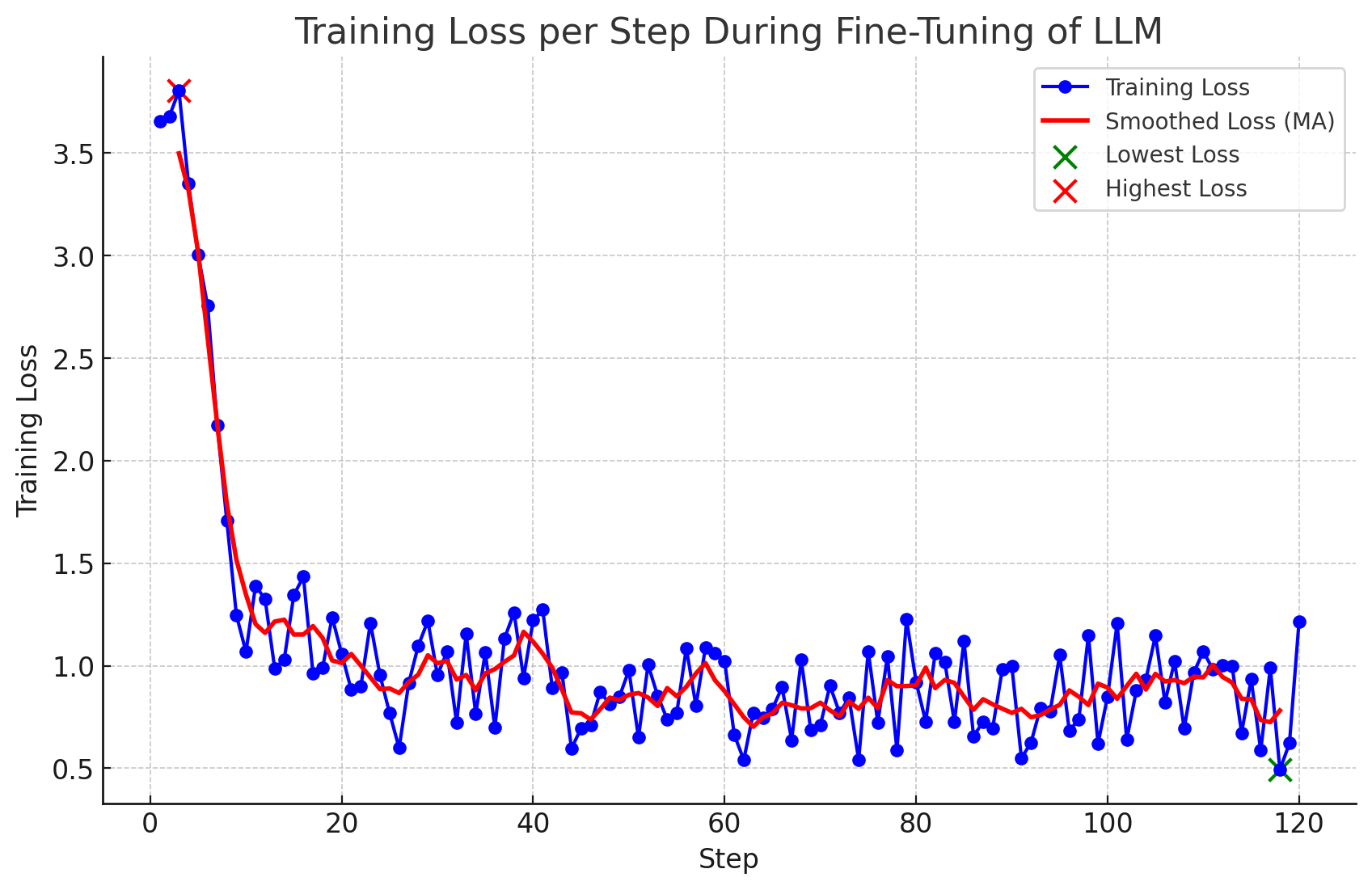
关键设计:SuperTracy使用开源LLM,并针对PostNL的物流领域进行了微调。RAG模块使用向量数据库存储包裹的物流信息,并使用相似度搜索来检索相关信息。为了提高系统的鲁棒性,采用了多种技术,例如查询重写、意图识别等。
🖼️ 关键图片


📊 实验亮点
SuperTracy MVP的成功部署,验证了基于生成式AI技术提升包裹追踪用户体验的可行性。该系统能够自主管理用户咨询,改进内部知识处理,并在包裹追踪沟通方面超出预期。这些结果表明,AI驱动的解决方案在物流领域具有巨大的潜力,并为PostNL的运营框架提供了进一步改进和更广泛实施的机会。
🎯 应用场景
该研究成果可应用于物流、电商等领域,用于提升客户服务质量、自动化客户咨询、降低运营成本。通过构建智能化的客户助手,企业可以更高效地处理用户查询,提供更个性化的服务,并提升用户满意度。未来,该技术还可扩展到其他领域,例如金融、医疗等。
📄 摘要(原文)
The developments in the field of generative AI has brought a lot of opportunities for companies, for instance to improve efficiency in customer service and automating tasks. PostNL, the biggest parcel and E-commerce corporation of the Netherlands wants to use generative AI to enhance the communication around track and trace of parcels. During the internship a Minimal Viable Product (MVP) is created to showcase the value of using generative AI technologies, to enhance parcel tracking, analyzing the parcel's journey and being able to communicate about it in an easy to understand manner. The primary goal was to develop an in-house LLM-based system, reducing dependency on external platforms and establishing the feasibility of a dedicated generative AI team within the company. This multi-agent LLM based system aimed to construct parcel journey stories and identify logistical disruptions with heightened efficiency and accuracy. The research involved deploying a sophisticated AI-driven communication system, employing Retrieval-Augmented Generation (RAG) for enhanced response precision, and optimizing large language models (LLMs) tailored to domain specific tasks. The MVP successfully implemented a multi-agent open-source LLM system, called SuperTracy. SuperTracy is capable of autonomously managing a broad spectrum of user inquiries and improving internal knowledge handling. Results and evaluation demonstrated technological innovation and feasibility, notably in communication about the track and trace of a parcel, which exceeded initial expectations. These advancements highlight the potential of AI-driven solutions in logistics, suggesting many opportunities for further refinement and broader implementation within PostNL operational framework.