Moral Foundations of Large Language Models
作者: Marwa Abdulhai, Gregory Serapio-Garcia, Clément Crepy, Daria Valter, John Canny, Natasha Jaques
分类: cs.AI, cs.CL, cs.CY
发布日期: 2023-10-23
💡 一句话要点
基于道德基础理论分析大型语言模型的道德偏见
🎯 匹配领域: 支柱九:具身大模型 (Embodied Foundation Models)
关键词: 道德基础理论 大型语言模型 道德偏见 人工智能伦理 社会科学研究 对抗性提示
📋 核心要点
- 现有的语言模型可能在道德推理上存在偏见,影响其在实际应用中的表现。
- 本文通过道德基础理论分析大型语言模型的道德价值观,探讨其偏见的来源及影响。
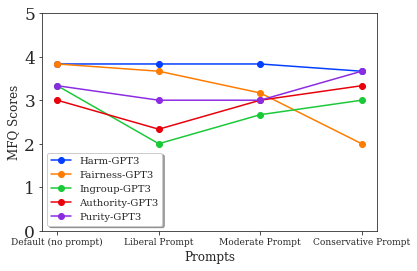
- 研究发现,模型的道德偏见在不同上下文中表现出一致性,并且可以通过特定提示进行引导。
📝 摘要(中文)
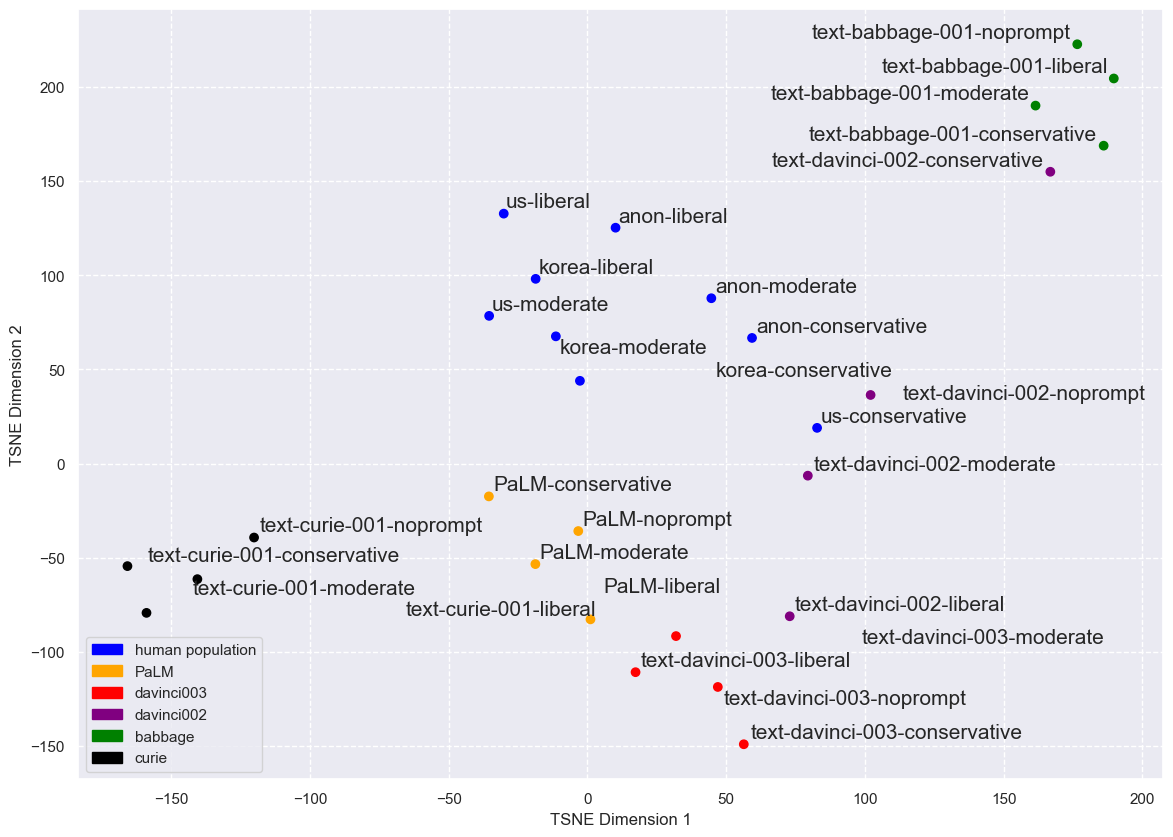
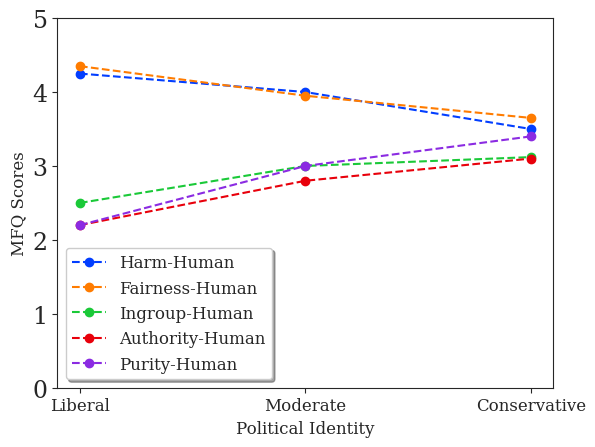
道德基础理论(MFT)是一种心理评估工具,将人类道德推理分解为五个因素,包括关怀/伤害、自由/压迫和神圣/堕落等。由于大型语言模型(LLMs)是在互联网上收集的数据集上训练的,它们可能反映出这些语料库中存在的偏见。本文利用MFT分析流行的LLMs是否对特定道德价值观存在偏见,发现这些模型表现出特定的道德基础,并展示其与人类道德基础和政治倾向的关系。此外,研究还测量了这些偏见的一致性,并展示了如何通过对抗性选择提示来鼓励模型表现出特定的道德基础,这可能影响模型在下游任务中的行为。这些发现帮助阐明了LLMs假设特定道德立场的潜在风险和意外后果。
🔬 方法详解
问题定义:本文旨在分析大型语言模型在道德推理中的偏见,现有方法未能充分揭示这些模型如何反映人类的道德基础及其潜在影响。
核心思路:通过道德基础理论(MFT)作为分析工具,研究模型对不同道德维度的偏见,探讨其与人类道德观和政治倾向的关系。
技术框架:研究首先对已知的LLMs进行分析,识别其道德基础,然后测量这些偏见在不同提示下的表现一致性,最后通过对抗性提示选择来引导模型的道德表现。
关键创新:本文的创新在于将道德基础理论应用于大型语言模型的分析,揭示了模型在道德推理中的潜在偏见及其对下游任务的影响。
关键设计:研究中使用了特定的提示设计,以引导模型表现出特定的道德基础,分析了模型在不同上下文下的反应一致性。具体的参数设置和损失函数未在摘要中详细说明。
🖼️ 关键图片
📊 实验亮点
实验结果表明,流行的语言模型在道德基础上表现出明显的偏见,这些偏见在不同的提示下具有一定的一致性。通过对抗性提示选择,模型的道德表现可以被有效引导,从而影响其在下游任务中的行为。
🎯 应用场景
该研究的潜在应用领域包括人工智能伦理、社会科学研究以及政策制定等。通过理解大型语言模型的道德偏见,可以帮助开发更为公正和透明的AI系统,减少其在社会应用中的负面影响。
📄 摘要(原文)
Moral foundations theory (MFT) is a psychological assessment tool that decomposes human moral reasoning into five factors, including care/harm, liberty/oppression, and sanctity/degradation (Graham et al., 2009). People vary in the weight they place on these dimensions when making moral decisions, in part due to their cultural upbringing and political ideology. As large language models (LLMs) are trained on datasets collected from the internet, they may reflect the biases that are present in such corpora. This paper uses MFT as a lens to analyze whether popular LLMs have acquired a bias towards a particular set of moral values. We analyze known LLMs and find they exhibit particular moral foundations, and show how these relate to human moral foundations and political affiliations. We also measure the consistency of these biases, or whether they vary strongly depending on the context of how the model is prompted. Finally, we show that we can adversarially select prompts that encourage the moral to exhibit a particular set of moral foundations, and that this can affect the model's behavior on downstream tasks. These findings help illustrate the potential risks and unintended consequences of LLMs assuming a particular moral stance.